Insidious bacteria: why are kisses dangerous?

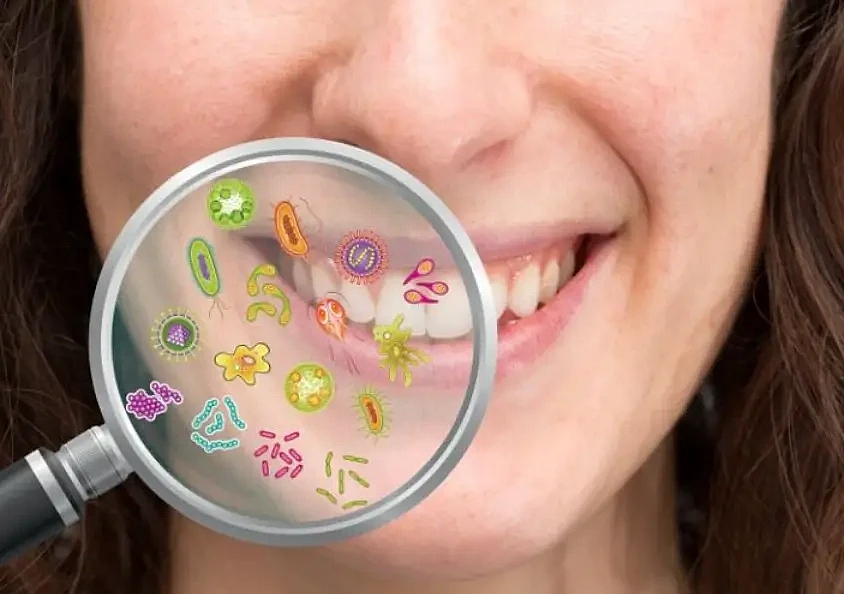
Scientists have conducted studies revealing that approximately five hundred viruses and bacteria can be transmitted from person to person during a kiss. While most of these are completely harmless, some, unfortunately, are dangerous. Which specific bacteria and viruses can be contracted through kissing, and is it possible to protect oneself from their harmful effects? Doctors say it is. One simply needs to understand the risks and follow certain preventive measures.
Mononucleosis: Bacteria and Viruses
Mononucleosis is an infectious disease often referred to as the "kissing disease." It is caused by the Epstein-Barr virus, a member of the herpesvirus family. In most cases, the virus enters the human body through saliva.
By the age of forty, the majority of the adult population possesses antibodies to the Epstein-Barr virus. For many people, infectious mononucleosis runs its course unnoticed—meaning they experience virtually no symptoms. However, in some cases, the condition leads to severe tonsillitis (resembling a streptococcal infection), significant enlargement of the spleen and liver, and other health issues. Notably, the highest incidence of infectious mononucleosis occurs in the autumn. A person might have contracted the virus during the summer, only for the disease to become active in the fall after a cold or a drop in immune function.
Gastritis and Ulcers: *Helicobacter pylori*
A simple kiss can expose you to another insidious bacterium known as *Helicobacter pylori*. It is a primary cause of gastrointestinal disorders. Although scientists began studying the effects of *Helicobacter pylori* on the body relatively recently, it is already believed that these pathogenic bacteria are responsible for the majority of cases of gastritis and ulcers.
You can contract *Helicobacter pylori* not only through kissing but also by using tableware or a toothbrush belonging to an infected person.
Gastritis and ulcers are now successfully treatable conditions. The effectiveness of treatment depends on timely diagnosis and strict adherence to the doctor's instructions.
Caries-causing bacteria
It is possible to contract tooth decay through kissing. Of course, the disease itself is not transmitted directly; rather, the transmission involves the streptococcal bacteria that play an active role in the development of cavities. Young children under the age of three are considered the most vulnerable in this regard. Since the saliva of small children lacks antiseptic components, they are far more susceptible to bacteria and viruses than adults. Therefore, parents and other family members should avoid sharing dishes with a young child—and certainly should not kiss the child on the lips.
Herpes Virus
According to World Health Organization experts, the herpes virus is present in the bodies of nearly 95% of the global adult population; essentially, almost everyone carries it. Transmission occurs through contact and everyday interactions—for instance, one can contract the virus by sharing dishes, towels, bed linen, and the like. There is also a high risk of transmission during intimate contact and kissing.
The likelihood of infection is highest during the active phase of the disease, when eruptions appear on the mucous membranes. During this period, one should use only personal hygiene items and avoid sharing dishes or cosmetics with others. It is also best to abstain from kissing and intimate contact.
Herpes can also pose a risk of transmission during its latent (dormant) phase, although to a significantly lesser extent. The virus can enter the body through microscopic abrasions on the skin or mucous membranes—often invisible to the naked eye—particularly if the body is already weakened by illness.

Sexually Transmitted Diseases
Some people believe that sexually transmitted diseases (STDs) can only be contracted during sexual intercourse. This is not entirely true. In some cases, a single unfortunate kiss can lead to infection with syphilis, gonorrhea, genital herpes, or human papillomavirus (HPV). Incidentally, it is even easier to contract pathogenic bacteria through oral sex.
To protect yourself from such issues, it is necessary to:
abstain from casual sexual encounters;
use condoms;
pay close attention to intimate hygiene.
If a risky encounter does occur, or if a person notices alarming symptoms—such as burning, itching, sharp pain in the lower abdomen, or cloudy, foul-smelling discharge—they should immediately see a doctor for laboratory testing. However, it is important to remember that virtually no diagnostic methods can detect the presence of STD-causing viruses just a few hours or days after infection. The average incubation period for such diseases is approximately two weeks.
Useful Preventive Habits
You do not need to give up kissing entirely to prevent infection.
In fact, kissing is considered beneficial for health: it improves blood flow to the brain, helps lower blood sugar levels, exercises the cardiovascular system, and stimulates the production of "happiness hormones." While there is no scientific proof of such curative effects, kissing poses little risk provided you exercise caution and follow basic personal hygiene rules:
avoid kissing anyone who has rashes, inflammation, or sores on their face or lips;
refrain from the recent trend of kissing friends on the lips when greeting them; a kiss on the cheek is much safer in this regard.
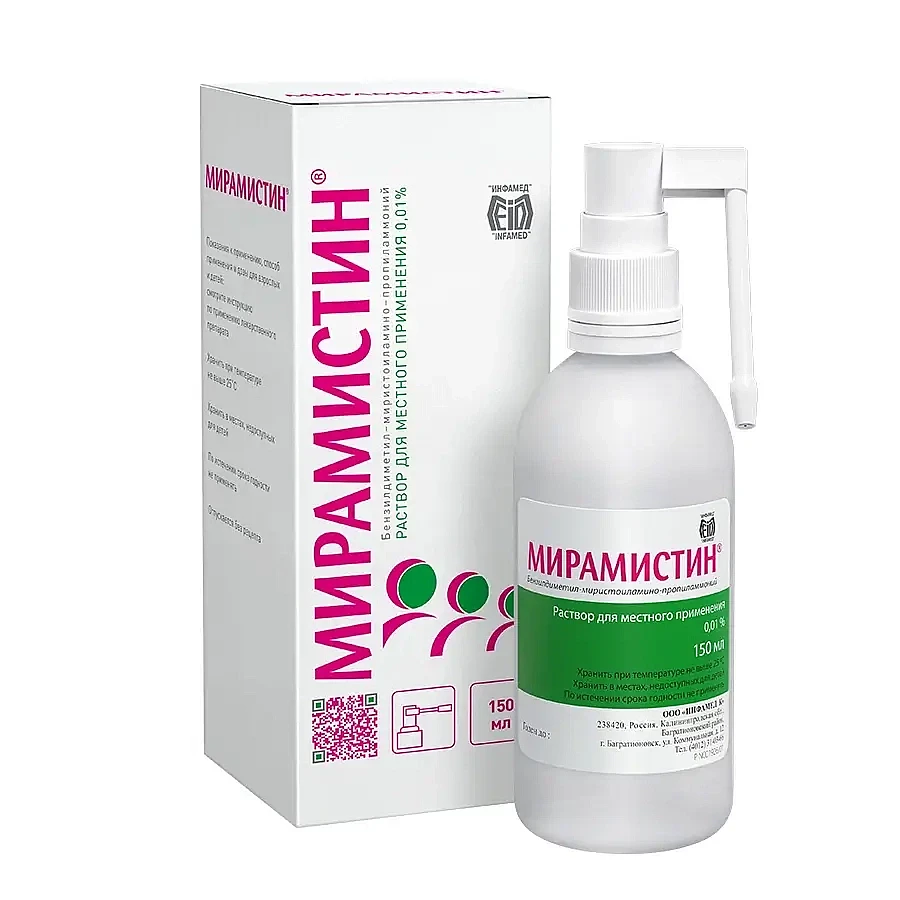
If you have any doubts about your partner's health, rinse your mouth with water as soon as possible to reduce the risk of infection; this helps wash away bacteria. If possible, add an antiseptic to the water—such as Miramistin, calendula tincture, Chlorophyllipt, or Furacilin.
And remember: a healthy lifestyle, common sense, and a strong immune system are the best ways to protect yourself against any bacteria.