
Link between iron deficiency and risk of Alzheimer's disease discovered
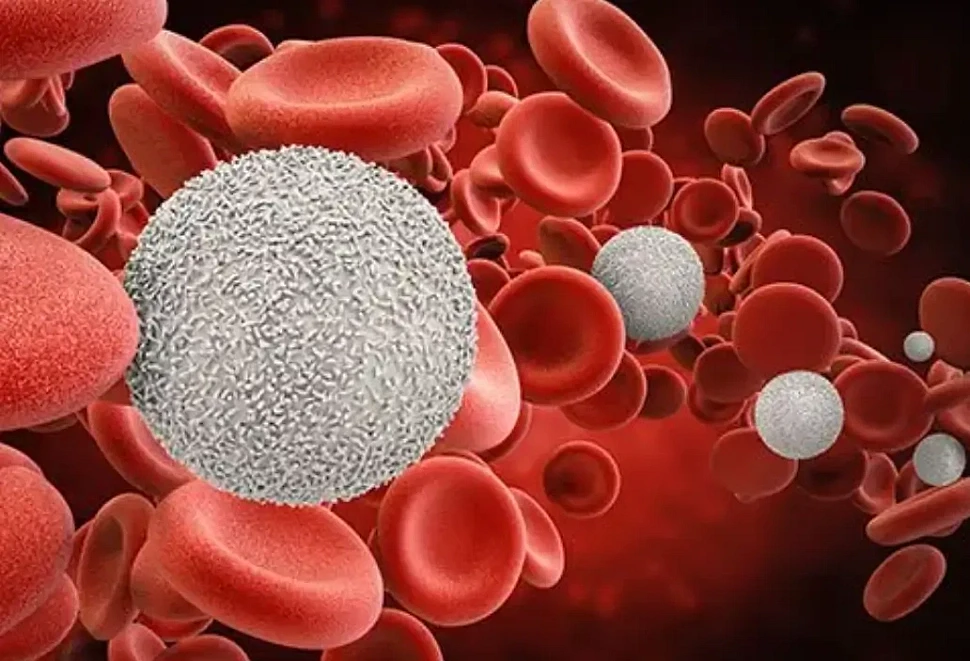
According to new studies, iron deficiency, which affects one in five people, increases the risk of dementia and speeds the onset of symptoms. Iron deficiency anemia (IUD) is a common disorder in which a lack of iron in the body leads to a decrease in the production of red blood cells.
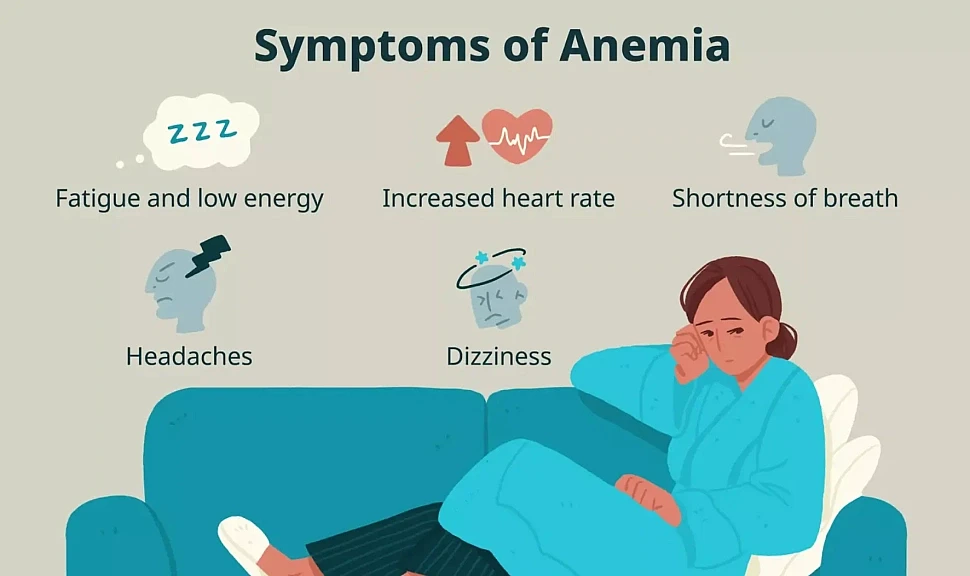
RAW is associated with a number of health problems including fatigue, headaches and memory problems. In severe cases, anemia can even lead to heart disease and kidney failure.
Now researchers have discovered another serious iron deficiency-related disease: dementia.
The researchers found that low levels of iron reserves can reduce the brain’s resistance to this disease, increasing the risk of its development and accelerating the appearance of symptoms, especially in men.
At 9 years of age, they observed 2,282 cognitively healthy adults aged 60 and over, tracking changes in iron levels and the risk of Alzheimer’s disease.
Scientists from the university found that people with RDA are 66% more likely to develop the disease than people with normal hemoglobin levels.
Low hemoglobin levels have also been associated with higher levels of p-tau217, which is considered the most specific marker for Alzheimer disease in the blood.
Interestingly, anemia was associated with a higher risk of dementia in men than in women, despite the fact that RDA is more common in women.
They suggested that this might reflect a gender-specific predisposition to low hemoglobin levels.
In parallel, participants with anemia had higher blood levels of some biomarkers that were associated with Alzheimer's disease. These include phosphorylated tau protein (p-tau217), a neurofilament light chain (NfL, a marker for nerve cell damage), and glial fibrillar acid protein (GFAP, signaling cellular stress or inflammation).
A particularly alarming picture was observed in those who had both anemia and high NfL levels: the risk of dementia in this group increased by about 3.5 times.
The researchers hypothesized that the problem was chronic oxygen deprivation: with anemia, tissues, including the brain, received less oxygen. This creates long-term pressure on neurons, can disrupt small vessels and accelerate the death of nerve cells. Neuroimaging has also been shown to support this theory, with a decrease in brain volume and other signs of tissue damage sometimes found in people with anemia.
Another interesting nuance: the relationship between anemia/iron deficiency and increased biomarker levels was more noticeable in men than in women. Scientists have not yet fully understood why, perhaps, this reflects the different predispositions of the sexes to a low level of hemoglobin.
1. Anemia of chronic kidney disease: Protocol of study, management and referral to Nephrology
2. The Levels of Hepcidin and Erythropoietin in Pregnant Women with Anemia of Various Geneses
3. Value of surface counting in predicting response to splenectomy in haemolytic anaemia
4. Using target next-generation sequencing assay in diagnosing of 46 patients with suspected congenital anemias
5.Haemoglobinopathies and other rare anemias in Spain: ten years of a nationwide registry (REHem-AR)