
Apiphobia: Fear of Bees and How to Overcome It
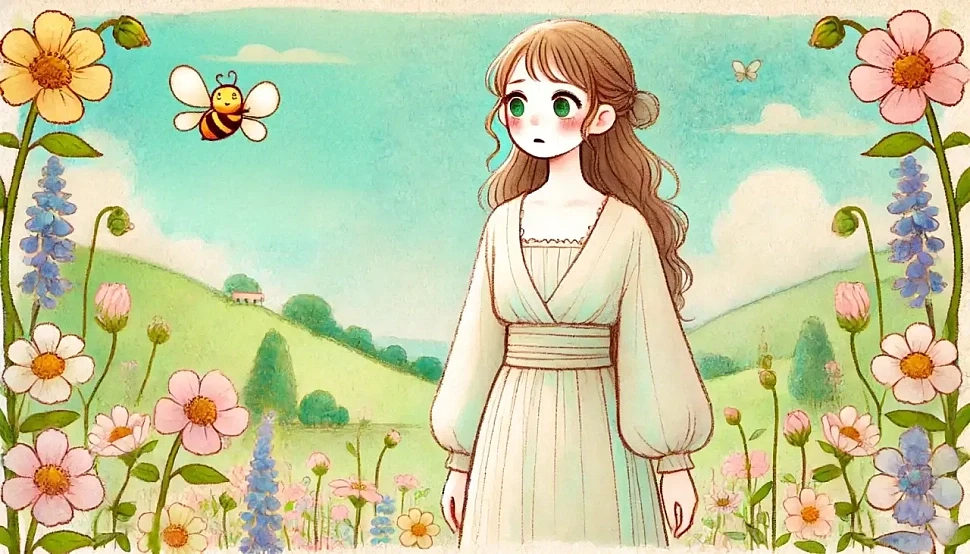
The unexplained, uncontrollable, obsessive fear of wasps, bees, their bites, and even buzzing is called apiphobia (from the Latin apis "bee" and the Greek βος "fear").
Such pathology, related to zoological fears, is also called melisophobia - from the Greek melissa - "bee", or sphexophobia - from sphexes, a genus of predatory wasps. CausesGenerally, any fear is a natural reaction to the danger. But if such a state with all the ensuing circumstances (panic attack with negative emotions and a vegetative response of the body) occurs when in fact there is no threat, then we are talking about phobia. The roots of apiphobia are in childhood and the impetus to its beginning becomes:
traumatic event - painful bite of a bee after the destruction of the hive or may happen that the child accidentally stepped on the bee;
monitoring of such an incident and its negative results;
Instructions from relatives - family members with a child showed a strong fear of wasps or constantly warned, telling about the terrible consequences, to stay away from nests or apiaries;
horrific hymenoptera bites on television or in films, media reports;
allergy to bee venom, causing severe itching, edema or, more seriously, anaphylactic shock, which, if delayed with help, can lead to death.
There is also a theory that phobia can be passed on at the genetic level from ancestors to descendants. It was nominated by two American biologists, H. Derringer and D. Rakison. They believe that ancient humans often encountered insects that were fatal. Then the so-called threat gene was formed, which starts the basic instinct of man - self-preservation, but somewhat hypertrophied.
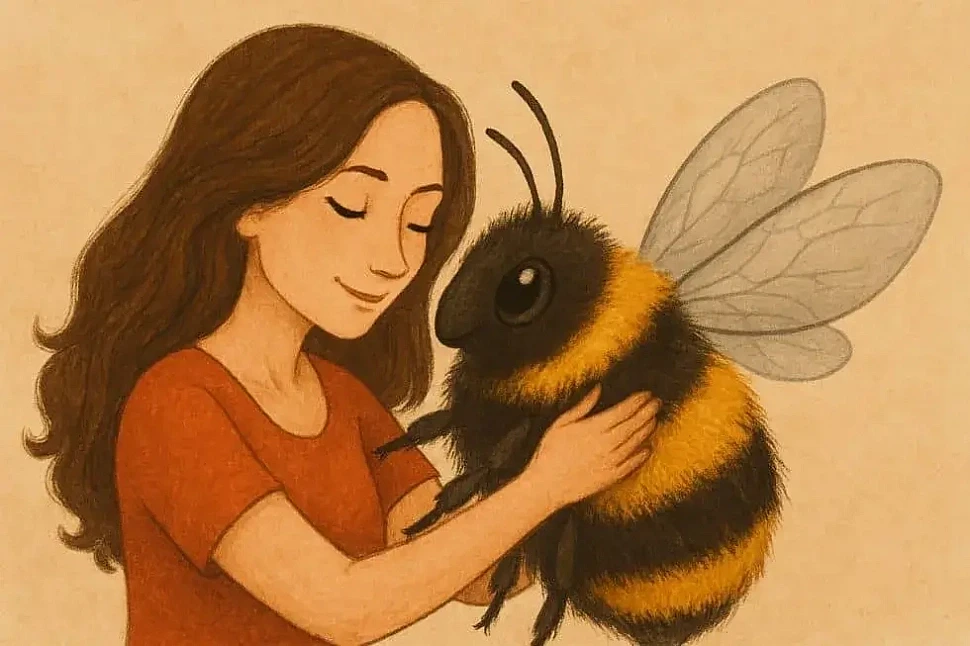
Real and perceived danger
Many childhood fears eventually resolve, including apiphobia. But sometimes the fear of bees remains in the adult person, he begins to fight with them, destroying entire colonies of such insects. Researchers believe that this state of affairs threatens the environment, since these hymenoptera are one of the main pollinators of flowering plants and their disappearance will lead to an environmental disaster. The unfounded fear is confirmed by the fact that neither a bee nor a wasp will ever bite for nothing.
To do so, they need a good reason - a real threat. The fact is, after a bite, such an insect dies, so it risks the first and last time.
Symptoms of Melissophobia
When a wasp, bumblebee, or bee is seen, or only when hearing the buzzing of a wasp, a person is afraid and panics with these manifestations:
stupor;
Loss of control
thoughts of death;
dizziness;
a strong heartbeat;
general weakness;
increased pressure;
tremor of the limbs;
crying and screaming;
blanching or redness of the skin, etc.
The course of events depends on the severity of the disorder. Individual:
tries to make it so that never to meet the object of fear - an easy form;
screams, swings his arms, runs away in horror - of medium gravity;
trying to kill a stinging insect is hard.
Usually, a person with apiphobia understands his problem, but is unable to control it, to restrain emotions. Each time, the feeling of fear becomes brighter and over time can turn into a serious mental disorder. Therefore, you do not need to pull, and it is better to contact psychotherapists and psychologists for help as soon as possible.

Treatment
Diagnosis requires an interview with the patient and loved ones. In the presence of characteristic apiphobia manifestations and taking into account the condition of the patient, the specialist thinks out treatment tactics. Psycho-emotional state is stabilized with psychotropic drugs. Drug treatment is short-lived and may not be given at all.
The main method is psychotherapy. Behavioral, cognitive-behavioral therapy, hypnosis, and neurolinguistic programming are used. These methods of treatment help to find and understand the cause of phobia, to teach the patient to feel calm about the object of fear, to control fear.
One technique involves showing a person an image or video of a wasp and adjusting to the wasp’s image. Then there is direct contact with the insect and at this point the patient applies the skills he has learned. Methods of distraction are also used, such as counting numbers, deep breathing technique. These are great ways to distract from an attack of apiphobia, so the patient needs to take them into service. Psychotherapeutic sessions are held both individually and in a group. In the latter case, it occurs in the open air, in nature, where it is possible for the appearance of a hymenoptera stinging insect. People with the same diagnosis help each other, support and successfully overcome their fear.
A complete cure from the fear of bees and other buzzing and stinging insects is quite possible if the patient will clearly follow the instructions of specialists. There are cases of such a successful recovery, when people after therapy even started an apiary!
Avoiding the development of apiphobia is possible by forming an adequate perception of wasps, bees and bumblebees in the younger generation. Parents should use their example to show their child that such insects do not need to be afraid, to talk about their benefits. We need to block negative information about them, and yes - no horror stories about wild bees - ruthless killers.

1. The Importance of Human Emotions for Wildlife Conservation
2. INSECTS AS ALLERGEN INJECTANTS—Severe Reactions to Bites and Stings of Arthropods