Bloating After Eating
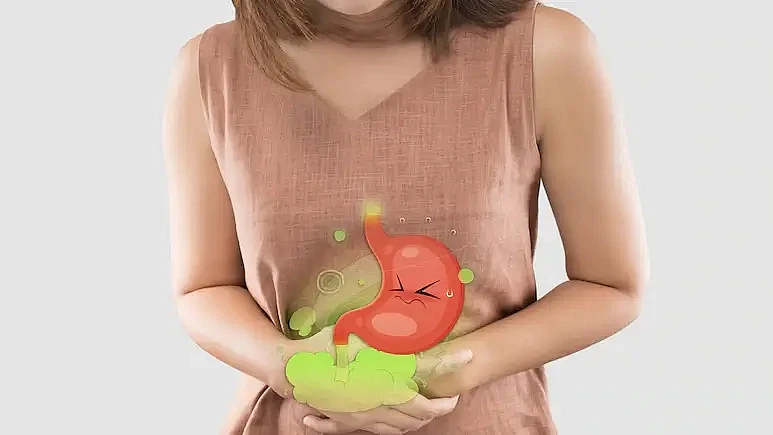
Bloating after eating is one of the most unpleasant symptoms, which not only causes physical discomfort, but also significantly reduces the quality of life, especially if it occurs at the wrong time: a business meeting or a date. Although this problem is faced by many, not everyone knows why the bloating actually appears and how to cope with it.
What causes bloating?
Normally, no more than 200 mL of gases are present in the human gastrointestinal tract. Another 600 mL must be eliminated through the rectum. If the amount of gases remaining in the intestine is higher than normal, symptoms such as heaviness and bloating develop, especially after a meal.
As a rule, in this state, the removal of accumulated gases is difficult or, on the contrary, uncontrolled. The volume of the abdomen greatly increases when the gas is excessive. The general condition is aggravated by bloating and incisions in the abdomen (intestinal colic). Many also present with belching, decreased appetite, intoxication, nausea, and even vomiting.
What are the main causes of bloating after eating?
Ingestion of air due to rapid ingestion of food (aerophagia). At the moment of eating in our body unwittingly enters and air. Greedy absorption of food and talking over it only increases its volume. It is very important to eat, chew and swallow food in a measured way to minimize the ingress of air into the stomach and reduce belching;
gas-forming products in the diet. There are products that almost always cause the formation of gases, such as legumes, white cabbage, apples and pears, pastries, beer, kvass, dairy products, etc. In addition to the above positions, bloating after eating can occur due to an individual reaction to a particular product.
enzyme deficiency. The lack of digestive enzymes and bile components for full absorption of food often causes rotting and fermentation in the intestine and, as a result, bloating;
bowel dysfunction. If the fluid intake is inadequate, the stool mass becomes too tight and difficult to excrete, and lingering in the body, provoke bloating and discomfort;
physiological obstacles to the normal removal of gases in the form of adhesions, polyps or neoplasms in the intestine.
food or alcohol poisoning/intestinal infection.
Also, bloating after eating can cause diseases such as:
irritable bowel syndrome. Characterized by pain during defecation and its difficulty;
gastritis;
worm infestations;
stress states;
SIBR (bacterial overgrowth syndrome) is a condition in which the number of bacteria in the small intestine exceeds a normal number. Excessive bacterial growth is characterized by flatulence, gas outflow, failure to thrive, etc.
celiac disease is total gluten intolerance. Symptoms of the disease, in addition to bloating, are frequent diarrhea, a state of pathological fatigue, aches and pains in the joints and muscles, as well as a great loss in weight;
bowel obstruction. The main sign of this condition is the retention of the stool, bloating, and in the acute state - cramping pain and vomiting;
ascites is a condition in which the abdomen inflates to a large size because fluid accumulates in it. Ascites occurs in diseases of the heart, genitourinary system and requires urgent examination.
What causes bloating in women?
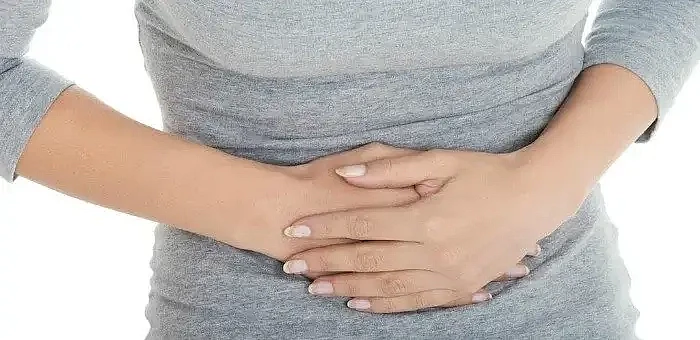
In addition to the common causes of abdominal bloating, which are inherent in all, there are also individual ones that are observed only in women:
PMS (premenstrual period) is a combination of certain psycho-emotional and physiological symptoms—precursors to menstruation that may begin to manifest two weeks before it begins and a couple of days before it begins. During this period, fluid retention may cause the abdomen to enlarge and even swelling, triggering weight gain. The condition may be accompanied by crying, mood swings, drowsiness, headaches, and sleep disturbances. Abdominal distention during PMS can be reduced by drinking more water, avoiding coffee, alcoholic beverages, or eating too salty or spicy foods;
menstrual period. During menstruation, the hormonal background of women changes, which indirectly affects the body's ability to digest food. Some women may have not only bloating but also diarrhea, constipation or nausea during periods;
pregnancy. During this wonderful period, the female body experiences many transformations, not only hormonal, but also physical. The fetus enlarges, and the uterus begins to compress internal organs, moving slightly upward toward the stomach and intestines. Because of this pressure, women often feel heartburn, constipation, and bloating after eating. Intestinal peristalsis during pregnancy also decreases;
pelvic inflammatory disease and adhesions, which often manifest with flatulence and stool disturbance (constipation).
Ways to eliminate bloating
Chronic bloating after eating requires diagnosis and treatment because it is important to know whether the condition is a symptom of a disorder.
To prevent flatulence and bloating, it is recommended to follow the following simple rules:
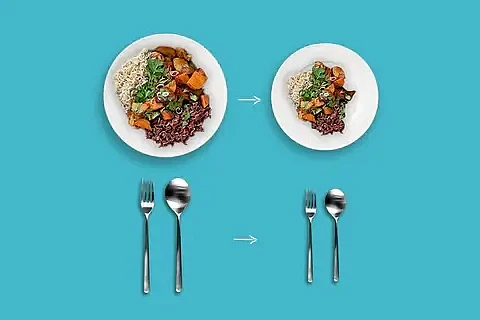
switch to fractional power. Large portions lead to overeating, which makes digestion difficult and leads to flatulence. It is better to eat in small portions and get up from the table with a slight feeling of hunger;
avoid overeating at night. Dinner is recommended a few hours before bedtime;
exclude gas-producing foods from the diet, such as pulses, pears, and apples. Abandon gluten, as well as products, after which there is bloating. A high protein diet (poultry, cheese, yogurt, etc.) is indicated for flatulence. From cereals it is necessary to give preference to buckwheat or rice, from fruits suitable bananas and citrus.
take a probiotic complex. Flat abdomen to minimize bloating after eating. The flat abdomen is a complex of probiotics (bifido- and lactobacteria), plant components and digestive enzymes:
Bifido- and lactobacteria restore the balance of intestinal microflora, help prevent fermentation processes and reduce gas formation;
Enzymes (alpha- and beta-galactazidase) contribute to better food absorption by breaking down complex carbohydrates in foods with high gas-forming potential and help to cope with milk intolerance;
plant components reduce bloating due to the natural removal of accumulated gases, and also have a soothing effect, promoting relaxation.
drink enough non-carbonated water. When using mineral water, it is necessary to remove the gases from it by mixing;
add physical activity, at least the simplest charging. It will be useful to do the exercise "abdominal vacuum", but be sure to know about all contraindications.