
Breastfeeding with Psoriasis: What You Need to Know

Breastfeeding is a physiological process, but sometimes involves some difficulties. Mother's milk is what nature itself has given, and it has everything that is so necessary for the full growth and development of the baby. But some maternal disorders, such as psoriasis, can make this process difficult and uncomfortable, and sometimes virtually impossible. But with the right approach, with the support of specialists, and following simple guidelines, a breastfeeding mother can get rid of the symptoms of psoriasis and practice natural feeding.
Breastfeeding and psoriasis
The World Health Organization (WHO) recommends exclusive breastfeeding for infants under six months. From that age onwards, the nursing mother introduces complementary foods but continues to breastfeed until age 2. The minimum recommended feeding time is up to one year.
Psoriasis is an autoimmune disease that involves the skin and joints. The symptoms of the disease will be the appearance of red spots, scales that rise above the level of the skin. Patients are concerned not only with skin lesions, but also intolerable itching, burning.
Most often, psoriasis spots develop around the joints, in the lower back, on the scalp, but they can occur anywhere, including on the chest, affecting the nipples.
The appearance of symptoms of psoriasis on the chest may interfere with breastfeeding. A breastfeeding mother may experience pain, discomfort, feeding a baby may turn into literally torture. And that's why breastfeeding mothers decide to give their baby formula.
But every problem has a solution. Psoriasis is not a contraindication to breastfeeding, especially if you get the support of a specialist who can help in its implementation and choose the treatment that will be safe for the baby, but will bring the mother the desired relief and give the opportunity to preserve breastfeeding.
How to treat psoriasis?
Not all medications prescribed to treat psoriasis are compatible with breastfeeding, so they should be selected only under the supervision of a doctor. But more often, doctors recommend topical treatments that moisturize and soften the skin.
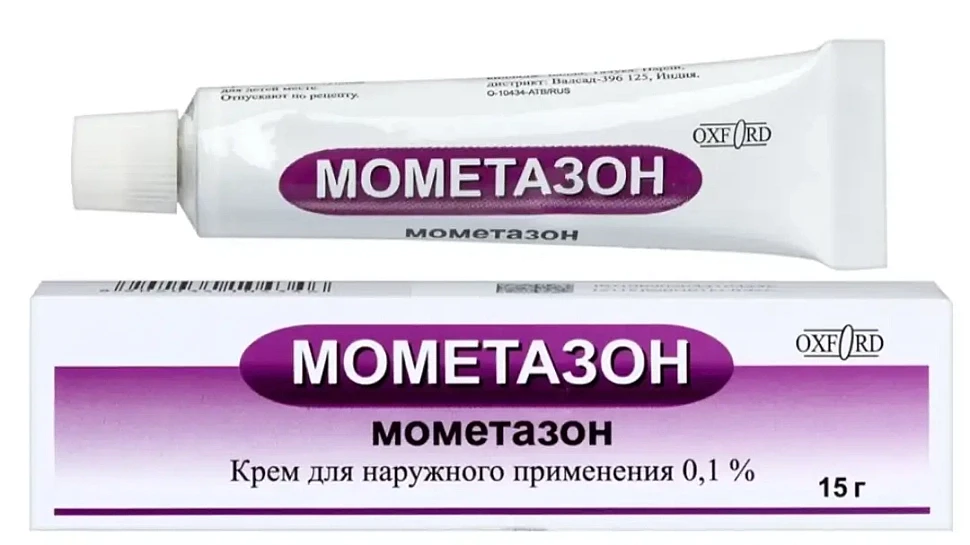
But if cosmetic or medicinal products do not bring proper relief, ointments with steroids may be prescribed to the breastfeeding mother. Even if doctors recommend taking steroid drugs by mouth, they are compatible with breastfeeding and will not cause any harm to the baby's body.
In addition to taking drugs and using them topically, doctors can develop an individual treatment plan consisting of phototherapy, UHF therapy. Both of these methods are breastfeeding compatible and are absolutely safe for the baby.
But breastfeeding consultants as well as the National Psoriasis Foundation note that the practice of PUVA may be unsafe.

Breastfeeding may trigger flare-ups
Whether breastfeeding will trigger psoriasis is difficult to say. Many women forget about the disease throughout pregnancy and breastfeeding. There will also be those who say that pregnancy and feeding are the provocateurs of an exacerbation, and the disease begins to play with new colors and can be particularly difficult to tolerate.
Breastfeeding itself, or rather some errors, can cause nipple cracks, discomfort and even pain, which can lead to an exacerbation of psoriasis and deterioration of the mother. And as a consequence, the transfer of the baby to artificial feeding.
Stress will be one of the causes of the exacerbation, and the period of pregnancy, childbirth and breastfeeding is filled with feelings. Sleepless nights, cramps, teething do not add peace of mind to even the most persistent mothers, which can cause exacerbation or deterioration of the condition.
Symptoms of Lactating Mother Disease
- When psoriasis is exacerbated, many of the symptoms that cause discomfort to the breastfeeding mother occur:
- Plaque formation: dry, thick, raised skin areas;
- Scales on some areas of the skin;
- Itching, burning;
- Red spots on the trunk, legs, and arms.
- Symptoms can vary depending on the severity of the disease as well as the form of psoriasis.
Psoriasis under control
Control of psoriasis, prevention of its exacerbations requires a complex approach and can be a somewhat complex process, requiring the return of the nursing mother. But by following the following recommendations, psoriasis is controlled:
stress control. Various means of hobbies, hobbies, yoga, and meditation practices may be recommended. In the fight against stress, a breastfeeding mother must enlist the support of her loved ones. Some household obligations can be transferred to their shoulders;
use cosmetics to moisturize the skin. They can be recommended only by a leading doctor, taking into account the form of psoriasis, the woman's condition and, of course, the practice of breastfeeding.
If "conservative" methods of treatment and control do not help to cope with psoriasis, then it is necessary to discuss with the treating doctor other options for treatment and relief of the condition. These may be medications or the use of feeding techniques and practices.

Conclusions
There is no denying that psoriasis is a serious obstacle and complication to full breastfeeding, and the difficulty lies precisely in the feelings of the mother. In addition, some treatments and drugs are not compatible with breastfeeding, may penetrate breast milk, and may harm breastfeeding.
Enlisting the support of specialists, as well as following all the recommendations of the doctor, psoriasis can be managed and prevent its exacerbation, without exposing the baby to any danger.
1. Treatment of psoriasis and psoriatic arthritis during pregnancy and breastfeeding
2. Breastfeeding decreases the risk of developing psoriasis through to early adulthood
3. Breastfeeding difficulties in the first 6 weeks postpartum among mothers with chronic conditions: a latent class analysis
4.Breastfeeding and systemic agents for psoriasis