
Can Turmeric Help Reduce Inflammation in People With Type 2 Diabetes?
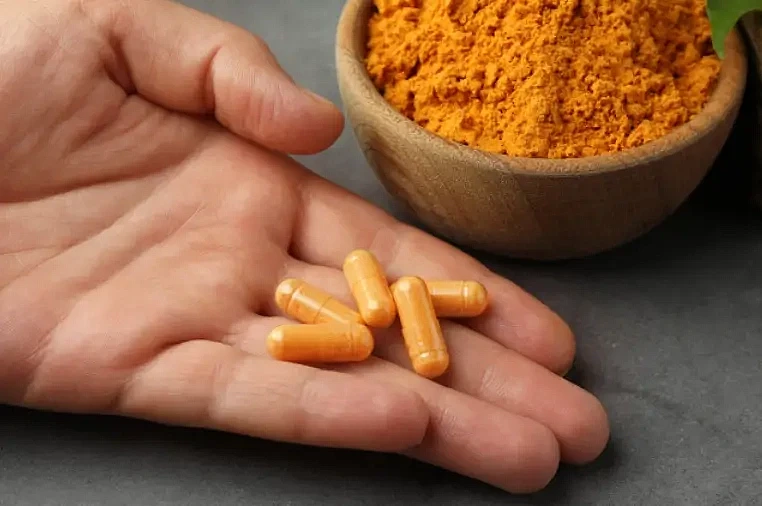
There is scientific evidence that turmeric (or, more precisely, its active substance, curcumin) can reduce inflammation in type 2 diabetes. The bottom line is that type 2 diabetes often retains chronic inflammation in the body, increasing the risk of complications. Studies show that taking turmeric supplements is indeed associated with a decrease in certain inflammatory markers.
For example, the level of highly sensitive C-reactive protein (hs-CRP), one of the key indicators of the inflammatory process, decreased. The level of tumor necrosis factor-alpha (TNF-α), which is actively involved in the initiation of inflammatory reactions, also decreased.
How does it work at the molecular level? Kurkumin acts comprehensively:
binds to toll-like receptors (TLRs);
Inhibits the activity of some signaling pathways (eg, NF-κ, MAPK)
activates the receptor activated by the proliferator peroxis (PPARγ), which also helps reduce inflammation;
reduces the production of reactive oxygen species, thereby reducing oxidative stress, which often accompanies and exacerbates inflammation;
generally, it modulates the immune response.
Scientists have discovered the benefits of curcumin for people with type 2 diabetes. Supplements of curcumin, the active ingredient of spices, reduce inflammation rates. In type 2 diabetes mellitus, chronic inflammation can cause serious complications.
Researchers have found that those who took curcumin had decreased levels of highly sensitive C-reactive protein (hs-CRP), one of the markers of inflammation. In addition, the content of the substance TNF-α, which is involved in inflammatory processes, has decreased. Scientists have noticed improvements in other indicators of inflammation, but these results are not enough to confidently say about the positive effect.
Curcumin is considered by scientists to be potentially useful in addition to the primary treatment for type 2 diabetes, but should not be substituted for. How beneficial curcumin is in long-term use remains to be seen in further studies.
1.Bioavailable turmeric extract for knee osteoarthritis: a randomized, non-inferiority trial versus paracetamol
2. Optimized Turmeric Extract Reduces β-Amyloid and Phosphorylated Tau Protein Burden in Alzheimer’s Transgenic Mice
3. Turmeric extract and its active compound, curcumin, protect against chronic CCl4-induced liver damage by enhancing antioxidation
4. Synthesis and characterization of turmeric extract‐β‐cyclodextrin inclusion complexes: Metabolite profiling and antioxidant activity