
Can Whole Grains Help Manage Weight and Lower Blood Pressure?
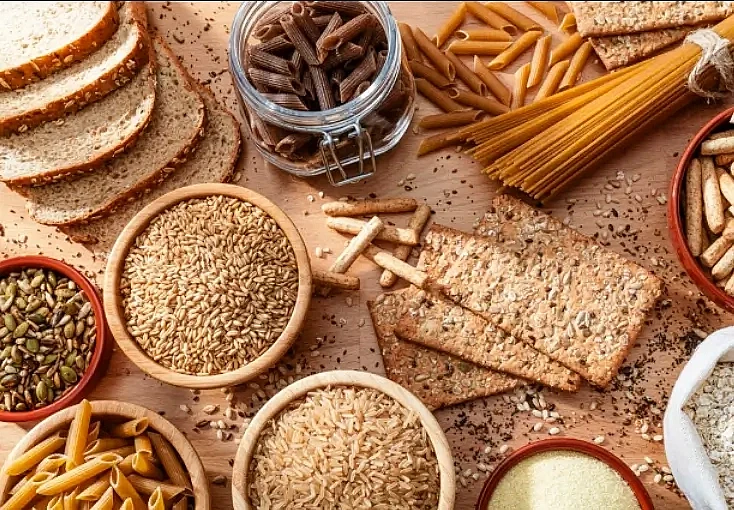
Whole-grain foods can really help in controlling weight and blood pressure. Their benefits are associated with a rich composition that preserves all parts of the grain - bran and embryos, rich in fiber, vitamins, minerals and antioxidants.
How whole-grain products help control weight
A long feeling of satiety. Fiber in such foods slows digestion, so that people do not feel hungry for longer. This helps reduce the total amount of calories consumed during the day and makes weight management easier.
Low glycaemic index. Carbohydrates from whole-grain products are absorbed slowly, preventing blood glucose and insulin from spiking. It is important to prevent insulin resistance and maintain stable metabolism.
Reducing the risk of overeating. Satiating whole-grain dishes helps avoid impulsive snacks, which are often high in calories and are not beneficial.
How Whole Grain Products Affect Blood Pressure
Potassium and magnesium content. These minerals keep blood vessels healthy, help them to be elastic, and help regulate blood pressure.
Reducing the risk of insulin resistance. Because fiber helps control blood sugar levels, it indirectly reduces the risk of insulin resistance, a condition that often accompanies hypertension.
Anti-inflammatory effect.
Antioxidants and polyphenols in whole grain products help reduce inflammation in the body, which also has a positive effect on the condition of vessels.
Studies confirm the effect. An analysis of 87 studies involving more than 6,500 people found that those who regularly consumed more whole-grain foods had, on average, lower body weight, waist circumference, and blood pressure. For a noticeable effect it is enough to use 30-40 grams of whole-grain products per day in dry weight, and at consumption of 60-100 grams changes were more pronounced
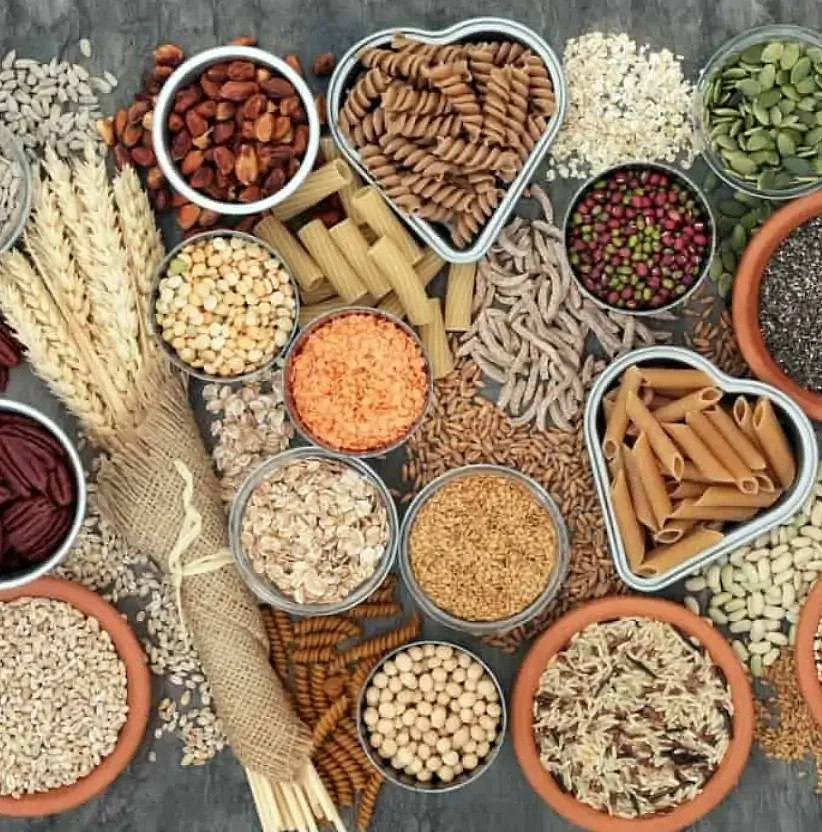
Whole-grain foods help maintain healthy weight, pressure, cholesterol and blood sugar levels. Researchers told how much whole-grain food should be in the diet for health and harmony, according to Science.
Whole-grain products differ from refined ones in that all parts of the grain, including fiber-rich bran and embryo, are preserved during their production. Studies show that replacing refined cereals with whole grains is associated with a lower risk of metabolic disorders, diabetes mellitus and cardiovascular disease. It can be oatmeal, buckwheat, brown rice, whole-grain bread and pasta, cereals and flakes. For example, during the day you can eat porridge, a few pieces of wholegrain bread and a portion of brown rice.
Examples of whole-grain products
These include:
cereals (oatmeal, buckwheat, barley);
brown rice;
wholegrain bread and pasta;
cereals and whole grain cereals.
Important recommendations
When including whole-grain products in the diet, you should consider several points:
Control the servings. Even healthy foods when consumed excessively can promote weight gain.
Combine with the right products. To increase the feeling of satiety and slow the absorption of carbohydrates, combine whole-grain products with protein sources (egg, fish, cottage cheese) and healthy fats (avocado, olive oil).
Check the composition. Avoid foods with added sugar, caramel, molasses, as well as a lot of preservatives and margarine.
Thus, whole-grain products are a valuable element of the diet, which, if taken correctly, can positively affect both weight control and the maintenance of normal blood pressure levels.
1. Perspective: A Definition for Whole-Grain Food Products—Recommendations from the Healthgrain Forum
2. Flour for Home Baking: A Cross-Sectional Analysis of Supermarket Products Emphasising the Whole Grain Opportunity
3. Whole Grain and Refined Grains: An Examination of US Household Grocery Store Purchases
4. Whole grain food diet slightly reduces cardiovascular risks in obese/overweight adults: a systematic review and meta-analysis
5. A High Rate of Non-Compliance Confounds the Study of Whole Grains and Weight Maintenance in a Randomised Intervention Trial-The Case for Greater Use of Dietary Biomarkers in Nutrition Intervention Studies.