
Common Myths and Facts About Endometriosis
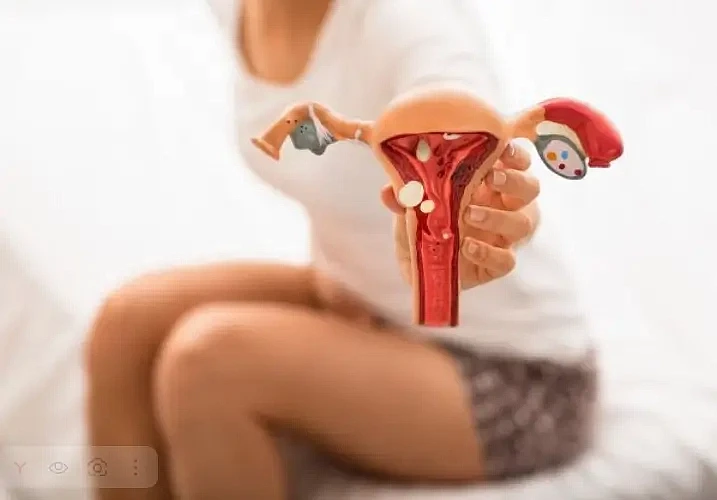
Endometriosis is a disorder in which cells that resemble cells of the lining of the uterus are found outside the lining of the uterus. There are many myths surrounding this disease. We tell you what you should believe, and what is better to forget.
Endometriosis affects only the uterus and adnexa
It's not exactly true. Most often, patches of endometriosis do occur in the uterus, ovaries, and fallopian tubes, but they can occur in other organs—on the walls of the pelvis, the leaves of the peritoneum, the bladder, and the intestine. Endometriosis is present in the skin, lungs, eye tissues, etc., outside the pelvis. Theoretically, endometriosis can be anywhere.
Endometriosis does not occur in young women
That is not the case. Fifty years ago, when only cavity surgery was performed and there was no knowledge about laparoscopy, endometriosis was detected mainly in women over 40 years of age. All because the operations were carried out only in severe cases, when otherwise it was impossible to cope with pain and bleeding. Endometriosis was often detected during laparoscopy. Therefore, there was an opinion that such a disease is the fate of women after 40. With the development of laparoscopy, it became clear that endometriosis occurs at different ages, including in young women and even adolescents.
Endometriosis is incurable
Unfortunately, it is. Endometriosis is considered a chronic disease. Foci of endometriosis exist as long as the ovaries are working and hormones are being synthesized. All currently available methods of treatment only suppress the growth and development of foci, but do not completely eliminate the disease.
Endometriosis always causes pain
In most cases, it is. Pain is the main symptom of endometriosis at any site. Pain occurs mainly during menstruation and a few days before it, and can become constant as the disease progresses. But sometimes endometriosis causes no or no pain.
Endometriosis not seen on ultrasound
It's not exactly true. Some forms of endometriosis are indeed difficult to see on ultrasonography. For example, abdominal and pelvic lesions may be diagnosed only by laparoscopy, and endometriosis of the uterus (adenomyosis) may be diagnosed by hysteroscopy. On ultrasonography, however, endometrioid ovarian cysts are clearly visible.

Endometriosis occurs when estrogen levels are high
That's not always the case, either. According to V.N. Prilepskaya and her co-authors, high estrogen levels are not the only cause of the disease. There are other factors, particularly the way the immune system works. Genetic disorders may also occur. However, endometriosis is well treated with hormones that suppress production of estrogen itself. Therefore, it has been suggested that the disease arises solely from hyperestrogeny.
Endometriosis grows in people who have not had children
This is not always true. About a century ago, endometriosis was called the nun's disease. It was believed that such an illness affects women who refused to become mothers. Today, it is known that the absence of childbirth does increase the risk of developing the disease, but is not a key factor in its occurrence. Endometriosis occurs in different women—in people who have never had children and in people who have many children.
Endometriosis occurs after an abortion
No. To date, there is no conclusive evidence that abortion, whether medical or surgical, leads to endometriosis.
Endometriosis interferes with conception
This is partly true. If endometriosis affects the fallopian tubes or peritoneum, adhesions develop, and sperm simply cannot get to the egg. Ovarian cysts, which occur as a result of the disease, interfere with ovulation—and the egg simply does not mature. Changes in the uterus may also interfere with the pregnancy. However, it is not clear that endometriosis always leads to infertility. Many women manage to conceive and bear children even when they are sick.
Endometriosis is difficult to diagnose
It's true. About seven years elapse between the onset and diagnosis of endometriosis, according to statistics. Endometriosis has no specific symptoms, as pain, bleeding and heavy menstruation occur in many gynecological diseases. It is difficult to see on ultrasonography, and invasive diagnosis and especially laparoscopic surgery are done only when indicated. Thus, the disease may go unrecognized for years to come.
Endometriosis may not be treated
This is not exactly the right wording. The disease must not be allowed to fester and hope that it will pass. But treatment is not always prescribed. If the foci of endometriosis are small, do not reduce the quality of life, do not interfere with the conception and delivery of a child - therapy is not prescribed. It is recommended only to be observed in the gynecologist: every 6-12 months to come for examination and do ultrasonography.
Endometriosis occurs in menopause
It's true. When menopause occurs, estrogen, the main factor in the disease, stops being produced. The lesions decrease in size and even completely regress. But this does not happen immediately. On average, at least five years elapse from menopause to improvement.
Endometriosis resolves after delivery
This is not entirely true. Indeed, many women notice that after the birth of a child, the symptoms of the disease are reduced and even ultrasonography does not show the foci. But pregnancy does not cure endometriosis, and only temporarily suppresses its development. Usually, the disease returns after breastfeeding is completed. And if a woman doesn't breastfeed her baby, the relapse is faster.
Endometriosis is treated only with hormones
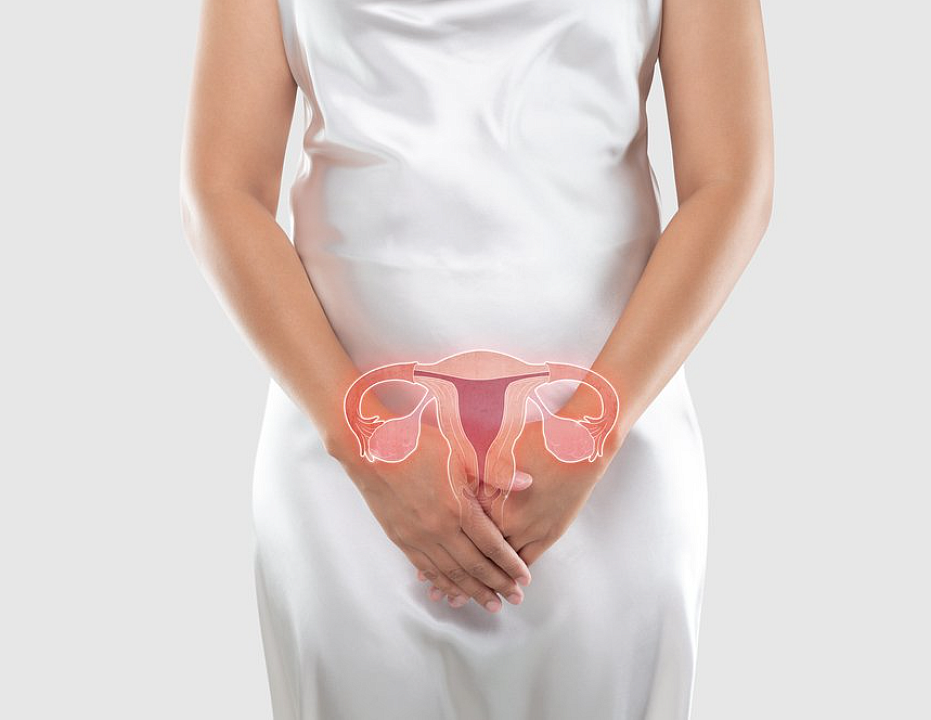
No. In some cases, endometriosis does not require treatment at all, and sometimes hormone therapy does not help and surgery must be done. Treatment will depend on the stage of the disease, prevalence of foci, age of the woman, presence of concomitant pathology and other factors.
In endometriosis, surgery is necessary
This is not always true. Endometriosis does often require surgery, and sometimes it is the only way to improve a woman's condition. But it is often possible to do without surgery - for example, during treatment with hormonal drugs.
The more foci, the more severe the endometriosis
Nor is it true. Severity of symptoms does not depend on how much tissue is affected. In contrast, severe pain may be caused by small foci of tissue near the uterus and on the peritoneum. And with large ovarian cysts and a significantly damaged uterus, pain may be mild. Sometimes endometriosis is asymptomatic, and women do not know about the disease until they have surgery for a completely different disorder.
If the uterus is removed, endometriosis will not occur
And that is a false claim. If the uterus is removed, there will be no adenomyosis, a type of disease. But there will be foci in other organs - on the ovaries, fallopian tubes, in the pelvic cavity. Removal of the uterus solves only one task - it reduces the volume of monthly blood loss and prevents the development of bleeding due to illness.