
Cracked Heels: Causes, Symptoms, and Treatment
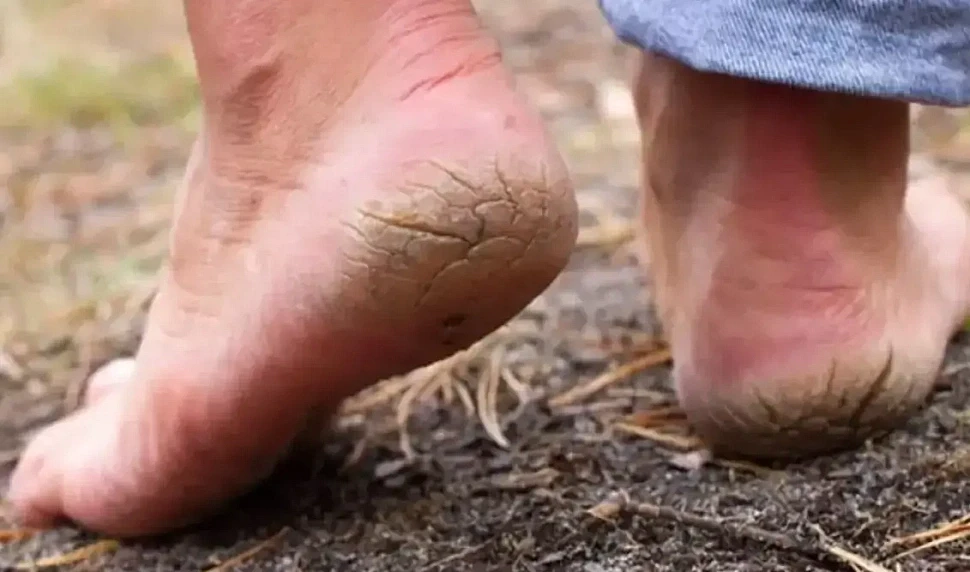
Heel fissures are linear tears in the skin that result from loss of skin elasticity and thickening of the stratum corneum. They most commonly appear in areas of natural skin folds and distention.
Why cracks appear
External causes:
Dry skin and dehydration. Lack of moisture, frequent contact with aggressive detergents, dry air.
Wrong shoes. Tight, stiff shoes or models with an open heel that do not fix the foot and cause friction.
Mechanical overload. Standing for a long time, being overweight, having flat feet, or having difficulty walking
Inadequate or excessive care. No regular removal of the keratinized layer or, conversely, too aggressive peeling.
Exposure to the environment. Sun, wind, chlorinated water, temperature changes.
Internal causes:
Endocrine Disorders. Diabetes mellitus and hypothyroidism impair metabolism and tissue nutrition.
Deficiency of vitamins and trace elements. Lack of vitamins A, E, group B, iron, zinc impairs skin regeneration.
Skin diseases. Psoriasis, ichthyosis, hyperkeratosis.
Circulatory disorders. Varicose veins, atherosclerosis.
Age-related changes. Decreased collagen levels and decreased microcirculation.
Fungal infections of the feet. Mycosis disturbs the structure of the skin, making it loose and vulnerable.
How cracks appear
Symptoms develop gradually:
dry and peeling skin;
feeling tight;
itching and burning;
visible linear skin defects;
pain when walking (particularly when stepping on the heel)
If cracks are deep, pain may occur at rest.
Disturbing signs that require urgent medical attention:
bleeding;
purulent or patchy discharge;
redness and swelling spreading above the ankle;
increasing body temperature
Enlargement of regional lymph nodes
lack of healing for more than 2-3 weeks during the correct care.
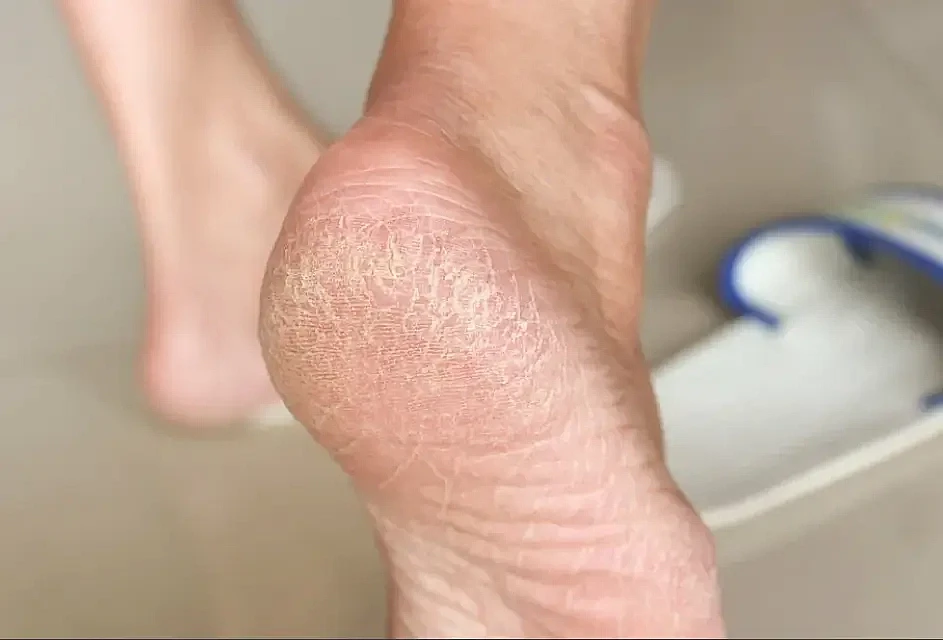
What to do: treatment and prevention
Treatment depends on the cause and depth of the fissures. Surface cracks that are not accompanied by inflammation can be tried to cope on their own.
Home care includes
Regular moisturizing. Apply creams with glycerin, urea (a powerful moisturizer), hyaluronic acid, vegetable oils (shea, olive) to the cleansed skin of the feet. After application, you can put on cotton socks for a better effect.
Careful removal of the kerned layer. After a bath with salt or soda, you can gently treat the heels with pumice or special grating circular movements without pressure. It is absolutely impossible to cut off coarse skin with a blade or razor - this will lead to additional injuries.
Reduced load. For the duration of treatment, choose shoes with a closed hard back that fixes the heel, and avoid flip-flops.
Correction of nutrition and drinking regime. Include foods rich in vitamins A, E, and silicon. Drink enough water.
If cracks are deep, painful, or infected, be sure to consult a doctor (subologist, dermatologist, endocrinologist). The specialist will diagnose: examine the foot, if necessary, prescribe blood tests, fungus scrapings, ultrasound of vessels.
Treatment may include
Correcting the cause (for example, antifungal drugs for mycosis, correction of glucose levels in diabetes)
crack treatment (removal of the keratinized layer, antiseptic treatment, application of wound healing agents);
physiotherapy (laser, ultrasound, paraffin therapy) to improve blood circulation and healing;
recommendations for shoes, insoles, load reduction.