
Gut Health and Immunity: How Your Digestive System Supports Your Immune System
The trend of conscious nutrition to improve digestion and the balance of intestinal microflora as the basis of immunity is becoming more popular. One of its fastest growing signs is the market for probiotic supplements. But probiotics can also be obtained naturally from available food. Let's understand how intestinal health and immunity are connected, in which products to look for useful bacteria and how to eat all this correctly.
Pro-, pre- and synbiotics: what is the difference and why is needed
Billions of beneficial and harmful bacteria inhabit our bodies — and on their surfaces. They are present almost everywhere—in the mouth, intestine, and skin.
Probiotics are the most useful microorganisms. According to the Harvard Medical School, they normalize the intestinal microflora, enhance the function of the immune system, protect against pathogenic bacteria to prevent infections, improve digestion and nutrient absorption.
But prebiotics are a type of fiber that the body cannot fully digest. But why do we need them? Prebiotics serve as food for probiotics and other beneficial organisms in the intestine: this is how we feed beneficial bacteria.
All prebiotics are fiber, but not all dietary fibers have a prebiotic effect.
Take a note!
Can I take prebiotics and probiotics at the same time? Yes, it is possible, and sometimes even necessary.
Synbiotics are additives or foods (fortified fermented milk products, fermented vegetables) containing both pre- and probiotics.
Synbiotics not only deliver beneficial bacteria, but also create the conditions for their growth and colonization.
What is needed for immune protection through the normalization of intestinal microflora (and not only)? Here are the top 5 products that will support intestinal health and strengthen immunity.
Sour milk products: what can yogurt and yogurt surprise?
Yogurt and yogurt seem to be the easiest and most affordable food. But they're actually some of the best sources of probiotics.
For example, natural yogurt (both thick, creamy Greek and regular milk) is produced by fermentation of milk using lactic acid and bifidobacteria.
According to the 2025 study, yogurt use is associated with:
improving bone, heart and gastrointestinal health;
reducing the risk of diabetes;
Reducing the risk of breast and colon cancer
Some do not contain live probiotics, so choose yogurt with "active" or "live" crops. Also pay attention to the content of added sugar: even if the product is labeled as "low fat" or "low fat", it may contain a lot of sugars.
Kefir contains several strains of beneficial bacteria and yeast (it is made with kefir fungi rather than specific strains of lactic acid bacteria), making it a more diverse and potent source of probiotics than yogurt.
In a study published in the journal, scientists noted that regular kefir consumption improves digestion, supports the gut microbiome, and reduces the risk of metabolic syndrome—and attributed this to a high probiotic content in the product.
Fermented vegetables: why is it useful to eat sauerkraut and cucumbers?
Many people are aware of kimchi, a mixture of fermented cabbage and other vegetables (and sometimes seafood). It is a popular Korean recipe, beneficial for intestinal health due to probiotics: kimchi contain lactobacteria and other lactic acid bacteria.
But no less useful is a more accessible and familiar to us finely chopped cabbage fermented with lactic acid bacteria. In addition to its probiotic properties, sauerkraut is rich in fiber (making it a natural synbiotic), as well as vitamins C and K.
If you buy sauerkraut, read the composition: it should be vegetables and salt. Cabbage with vinegar is not sauerkraut, but pickled, and there are no useful bacteria in it. The same goes for cucumbers and other fermented vegetables
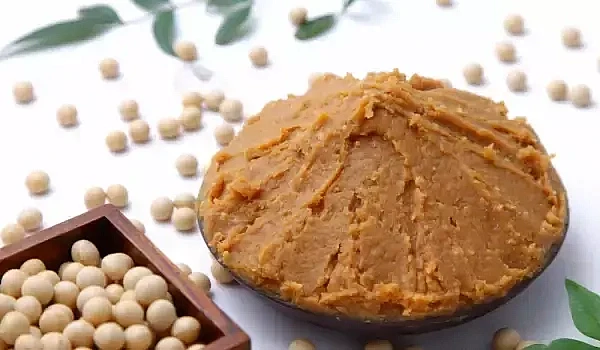
Miso: A special strain of probiotics
Miso is a fermented product from Asian cuisine that contains a special strain of probiotics. Miso is made by fermentation of soybean paste with koji mold.
Fermentation time can vary from a few weeks to several years, depending on the desired intensity of the taste. They grow this mold out of rice, soy or barley, and the mold enzymes interact with microorganisms in soybean paste.
Studies have shown that miso not only helps restore the intestinal microflora, but also can protect against certain cancers and cardiovascular diseases
Than feed bacteria: onion, garlic, apples
As for prebiotics, or dietary fibers, which feed useful bacteria, they are most common in plant products.
Onions are rich in inulin and fructooligosaccharides (FOS), one of the most common prebiotic molecules.
Scientific evidence suggests that POS has anti-inflammatory and antioxidant properties, and therefore they are associated with the support of the immune system. In other words, a regular vegetable salad with onions can be much healthier than you think.
Like onions, garlic contains the prebiotics inulin and FOS, which help beneficial intestinal bacteria thrive.
Another prebiotic in garlic, called fructan, can stimulate the growth of beneficial bifidobacteria. Garlic also contains allicin, which gives it a distinctive smell and taste. Scientists are studying this compound because they suggest it reduces the risk of cardiovascular disease and cancer.
Of the fruits for the health of the intestines, the most useful are apples rich in vitamin C, antioxidants and fiber.
Most of the fiber in apples is pectin, which has prebiotic properties. A 2016 study found that pectin from apples promotes healthy intestinal microflora and reduces inflammation.
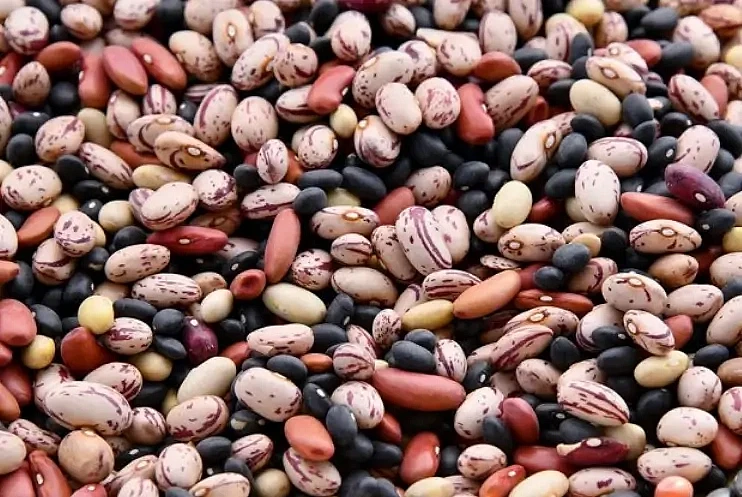
Pulses: Why eat them more often?
All pulses contain galacto-oligosaccharides, a prebiotic compound, soluble and insoluble fiber, and resistant starch, making them potent natural prebiotics.
A study published in the journal has produced impressive results: dark purple beans have been linked to a reduced likelihood of colorectal cancer in at-risk people—all thanks to prebiotics!
The consumption of one cup of boiled beans daily has had a beneficial effect on the intestinal microflora, increasing the content of useful bacteria. As soon as participants stopped eating beans, the positive effects faded.
Several factors contribute to the bowel’s key role in immune defense.
About 70-80% of all immune cells of the body - lymphocytes, macrophages and others - are concentrated in the walls and lymphoid tissue of the intestine. It's the biggest "immune army" in our body.
The gut is the first line of defense against the external environment. Not only nutrients, but also potentially dangerous agents such as bacteria, viruses, toxins and allergens enter the body daily. A healthy intestine with its microflora and dense contacts between cells serves as a reliable barrier that prevents "enemies".
The gut is a kind of "university" for the immune system, constantly interacting with billions of bacteria and teaching immune cells to distinguish "their" from "others", which is crucial to prevent excessive inflammatory reactions and the development of allergies.
The intestinal microbiota synthesizes B and K vitamins, amino acids, and short-chain fatty acids, which are essential for nutrition of intestinal cells and immune cells.
It releases antibacterial substances and stimulates production of immunoglobulins, particularly secretory immunoglobulin A, which is a key defender of mucous membranes.
1. Human gastric B cell responses can be induced by intestinal immunisation
2. Vaccine responses in newborns
3. Post-immunisation gastritis and Helicobacter infection in the mouse: a long term study