How Your Body Fights H. pylori
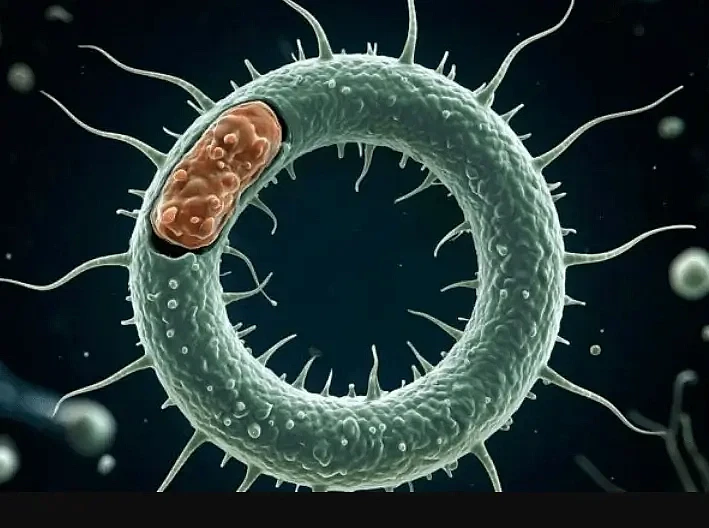
Helicobacteriosis, or infection with the bacteria Helicobacter pylori, is the cause of very unpleasant diseases. And while we know the culprit, and there are already treatments, none is 100% effective. How to get rid of Helicobacter pylori?
Studies have shown that some products contain natural compounds with strong antibacterial properties that help inhibit the growth of Helicobacter pylori bacteria. Conversely: there are products that will only worsen your condition, helping H. pylori spread further. That's what to eat if Helicobacter pylori hits your stomach.
Helicobacter pylori bacteria in the stomach: what is the danger?
Before you know what it is to get rid of Helicobacter pylori, it is important to understand the degree of danger that this bacterium presents.
H. pylori, first identified in 1982, is a type of bacteria primarily found in the stomach.
Helicobacter pylori is the main cause of chronic gastric diseases, including ulcer and stomach cancer.
Without timely treatment, health can be seriously compromised by the complex complications caused by this bacterium.
Helicobacter pylori can be transmitted in a variety of ways.
In addition to being directly spread from person to person through saliva when people eat together and share an environment, these bacteria can also enter the body through the digestive tract when they eat contaminated food and water.
Although the global infection rate is more than 80%, most people do not have obvious symptoms. In most cases, people will only become aware of helicobacter pylori when they have noticeable symptoms related to a gastric or duodenal ulcer.Therapies for chronic H. pylori infection have been evolving since it was first identified as the leading cause of peptic ulcer disease and stomach cancer more than 40 years ago.Current treatment regimens for H. pylori typically include one to three antimicrobials and a potent agent that suppresses stomach acid secretion, such as a proton pump inhibitor or or a potassium-competitive acid receptor blocker.Choosing a treatment regimen is challenging, say scientists at the University of Verona. This is due to the increasing rates of antibiotic resistance in bacteria.In addition, patient adherence to therapy is undermined by the complexity of H. pylori regimens, their high drug load and frequent side effects.
Common symptoms of Helicobacter pylori-associated gastrointestinal infection
Once infected, the gastric mucosa is attacked by Helicobacter pylori bacteria, resulting in serious damage such as inflammation, ulcers, bleeding and infection. The following are some common symptoms associated with the presence of Helicobacter pylori in the body:
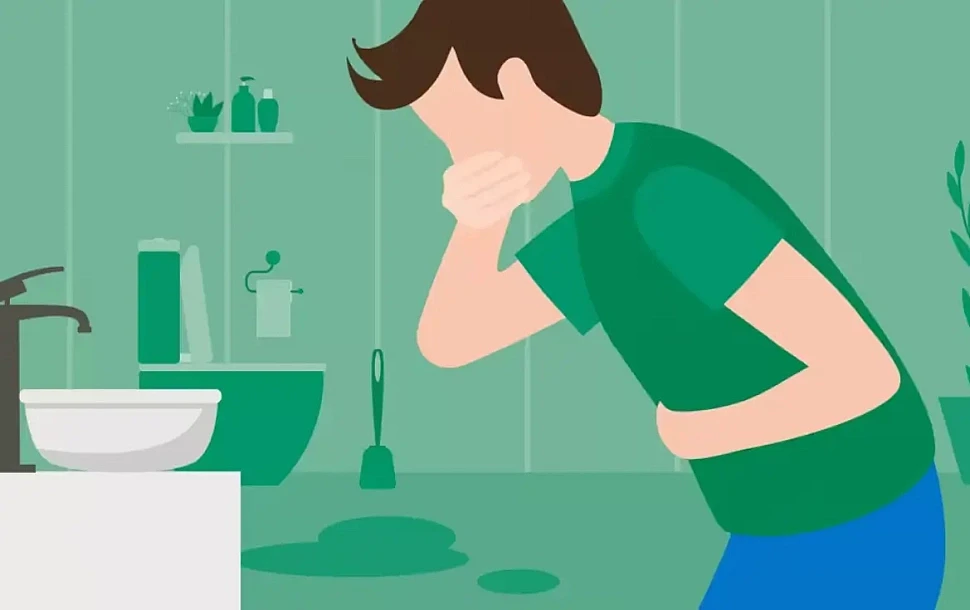
- Nausea and vomiting.
- Loss of appetite.
- Frequent belching.
- Feeling of bloating.
- Black stools, often a sign of gastrointestinal bleeding
- Unexplained weight loss.
- A feeling of pain or burning in the abdomen, especially when the stomach is empty
If a person has more serious symptoms such as shortness of breath, vomiting blood, unusual fatigue, persistent or severe abdominal pain, bloody stools or black stools, and pallor of the skin and mucous membranes, contact a doctor immediately.
These symptoms may indicate serious complications requiring immediate medical attention.
So, what does it take to kill Helicobacter pylori?
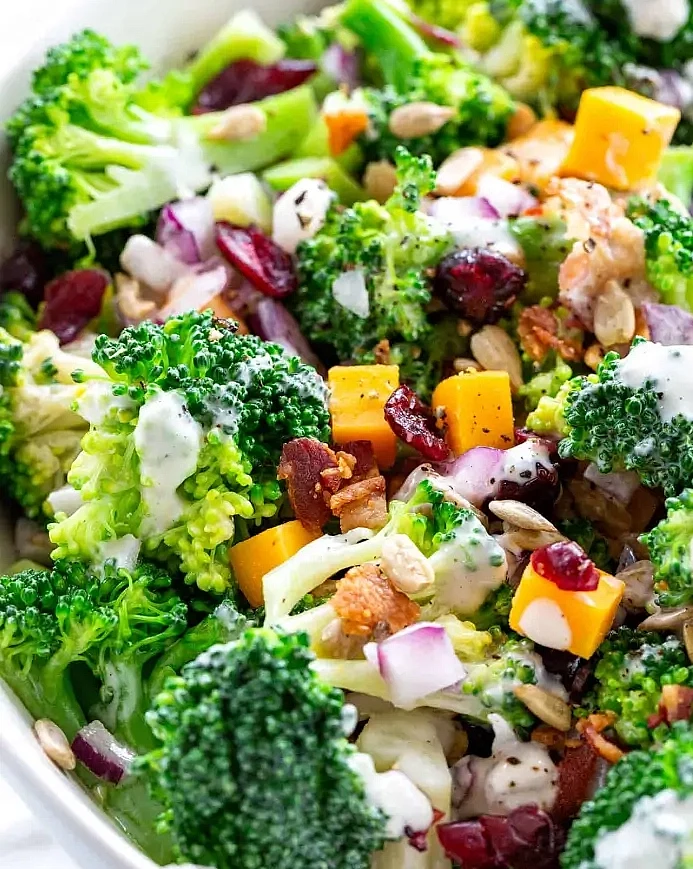
The focus is on broccoli
Also, people with Helicobacter pylori should increase their consumption of vegetables such as broccoli, cauliflower, and white cabbage because they contain isothiocyanates, a compound that fights H. pylori, helping limit the growth of this bacteria in the gastrointestinal tract and preventing cancer. Moreover, these vegetables are easily digested and can help reduce stomach pain during treatment.
And among these vegetables, broccoli cabbage was the most effective.
According to scientists at the Tokyo Science University, sulforaphan-rich broccoli inflorescences reduce colonization and relieve gastritis in mice and humans m Helicobacter pylori.
Sulforaphan decreased both biomarkers of H. pylori colonization and serum pepsinogens I and II (gastric inflammation biomarkers).
Sulforaphan also enhanced chemoprotective effects on the gastric mucosa in response to oxidative stress caused by H. pylori.
According to scientists at the Johns Hopkins Center for Cancer Chemoprotective Therapy, sulforaphan inhibits extracellular, intracellular, and antibiotic-resistant strains of Helicobacter pylori and prevents stomach tumors caused by benzoapirene.
Thus, people infected with Helicobacter pylori are advised to eat at least 70 g of broccoli a day—or to take supplements with it.
Probiotic-rich foods
Our natural friends, the probiotics bacteria in our intestines, are capable of inhibiting the growth of harmful bacteria, including Helicobacter pylori. These useful bacteria produce lactic acid, hydrogen peroxide, and other antibacterial compounds, reducing the number of harmful bacteria. Therefore, probiotic supplements play an important role in the selection of products for the control of Helicobacter pylori.
Dietary supplements with probiotics and fermented products help to improve the state of helicobacteriosis: yogurt and natural yogurt, sauerkraut, pickles, kimchi, kombucha (tea mushroom), some types of cheese, etc.
Fact!
The combination of these products not only helps in the treatment of Helicobacter pylori infection, but also relieves such unpleasant symptoms as bloating, flatulence, diarrhea, etc.
Patients with Helicobacter pylori ulcers and those taking antibiotics may be advised to take daily probiotics to improve treatment efficiency and reduce adverse effects. However, a doctor should be consulted to find foods and probiotics appropriate for the person’s health.
Green tea with honey
Green tea and honey are two drinks rich in antioxidants and have powerful antibacterial properties.
Green tea contains polyphenols, which help to fight oxidative stress and contribute to the destruction of bacteria such as H. pylori, Candida albicans, E. coli, Staphylococcus aureus.
Honey in Indian studies also shows antibacterial activity.
A study by Medical University of Sofia found that people who drank green tea with honey once a day for a week had lower stomach levels of Helicobacter pylori than those who did not.

Foods high in polyunsaturated fats
In order to increase the effectiveness of the elimination of H. pylori bacteria, special attention should be paid to the intake of foods rich in useful fats, especially polyunsaturated omega-3 and omega-6 fats, such as:
First-pressed olive oil, rapeseed oil and sunflower oil.
Oily fish such as mackerel, salmon and tuna.
Nutritious nuts and seeds such as chia seeds, walnuts, almonds and sunflower seeds.
These foods are an important answer to the question of what is there to get rid of the bacterium Helicobacter pylori, promote the restoration of the gastric mucosa and reduce the risk of gastric and duodenal ulcers.
In addition, polyunsaturated fats are not only beneficial for the health of the cardiovascular system, but also have anti-inflammatory properties and relieve unpleasant symptoms associated with arthritis.
Foods high in polyunsaturated fats
In order to increase the effectiveness of the elimination of H. pylori bacteria, special attention should be paid to the intake of foods rich in useful fats, especially polyunsaturated omega-3 and omega-6 fats, such as:
First-pressed olive oil, rapeseed oil and sunflower oil.
Oily fish such as mackerel, salmon and tuna.
Nutritious nuts and seeds such as chia seeds, walnuts, almonds and sunflower seeds.
These foods are an important answer to the question of what is there to get rid of the bacterium Helicobacter pylori, promote the restoration of the gastric mucosa and reduce the risk of gastric and duodenal ulcers.
In addition, polyunsaturated fats are not only beneficial for the health of the cardiovascular system, but also have anti-inflammatory properties and relieve unpleasant symptoms associated with arthritis.
Any combination of products favorable to H. pylori can be combined to create delicious and healthy dishes that will not further irritate your digestive tract. The following are examples of foods that are appropriate for a diet against H. pylori.
What should I avoid with Helicobacter pylori infection?
In addition to understanding which foods can help destroy Helicobacter pylori in the stomach, people need to know which foods to avoid or limit.
Here is a list of products to avoid:
Foods that are high in caffeine, such as chocolate, coffee, and black tea, should be restricted because they can irritate the lining of the stomach, causing burning and discomfort.
Fruits with a high content of acid: oranges, lemons and pineapples contain a lot of acid, which can increase the acidity of the stomach, thereby increasing the risk of stomach ulcer.
Spicy food: It can increase the risk of stomach ulcers, worsen digestion, increase stomach acid production, and create a favorable environment for Helicobacter pylori bacteria.

Salty food: It changes the properties of the mucous membrane that protects the stomach, Helicobacter pylori bacteria can easily penetrate the mucosa.
Alcoholic beverages: Beer and other alcoholic beverages can directly damage the stomach, causing ulcers to spread and increasing the risk of stomach cancer.
Fried dishes with high oil content: fatty dishes, especially fried ones, can complicate the digestion process, causing overload of the stomach, which leads to abdominal bloating, flatulence, digestive disorders and affects the process of restoring the gastric mucosa.
Processed and preserved foods: These foods often contain many preservatives and chemical additives that can irritate the stomach and intestines, exacerbating inflammation.