
Nail Psoriasis: Symptoms, Causes, and Treatment
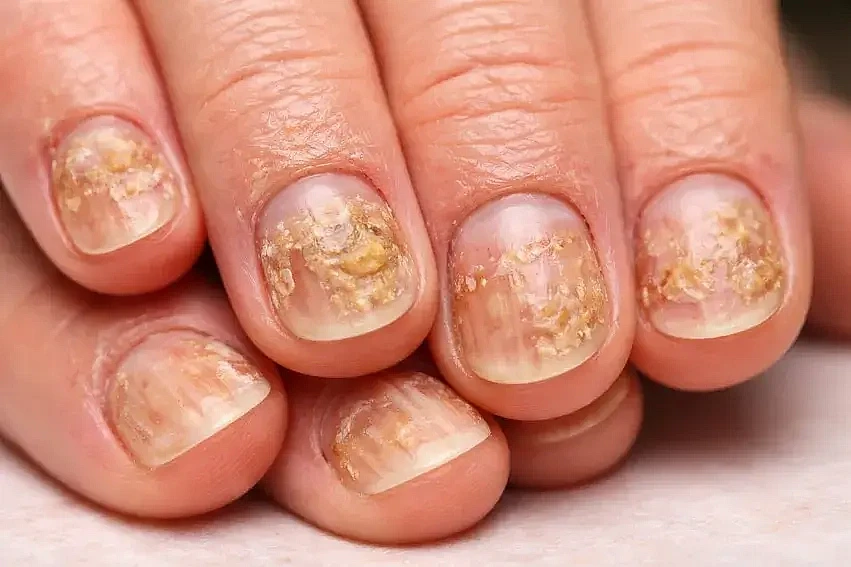
Nail psoriasis (also known as psoriatic onychodystrophy) is a chronic, non-infectious, autoimmune disease that affects the nail plates and surrounding tissues. It can occur independently, but is more often associated with skin psoriasis or psoriatic arthritis.
How it manifests itself
Symptoms depend on which structures in the nail are affected. Here are the main signs:
Thimble syndrome. The nail surface may contain many small, shallow pits or depressions up to 2 mm in diameter. They may be arranged in chaotic, group, or line patterns.
Color change.
The nail may turn yellow, grayish, brownish, or even white (leukonychia).
Thickening or thinning. The nail may thicken because keratin accumulates beneath it or, alternatively, thicken, crumble, and dissolve.
Detachment from the bed (onycholysis). The nail plate gradually moves away from the nail bed, often at the distal (unaffected) edge. The characteristic feature is a narrow pale pink or salmon border around the detachment zone.
Subungual hemorrhages (hemorrhages). Red, pink, or brown dots and streaks appear under the nail due to inflammation and dilation of the capillaries in the nail bed.
Inflammation of the nail fold (paronychia). The skin around the nail is red, swollen, and painful and sometimes has blisters or ulcers.
Deformation. The nail may change shape, such as becoming concave (spoon-shaped).
Why emerges
The exact causes are not fully understood, but genetic predisposition plays a key role. Studies suggest that 40 to 55% of patients with nail psoriasis have a close relative with the same diagnosis.
provoking factors include:
- Nail injuries (bruises, manicure injuries); Nail involvement in adult patients with plaque-type psoriasis: prevalence and clinical features*
- stress and emotional instability;
- Certain infectious disorders (particularly streptococcal diseases)
- taking certain drugs (lithium, antidepressants, antimalarials, anticonvulsants, some antibiotics, beta-blockers);
- bad habits (smoking, alcohol abuse);
- chronic infections and endocrine disorders.
When the trigger is triggered, the immune system triggers an inflammatory reaction that leads to accelerated cell division (keratinocytes) in the nail growth area (matrix), which disrupts the formation of the stratum corneum
How is the diagnosis made?
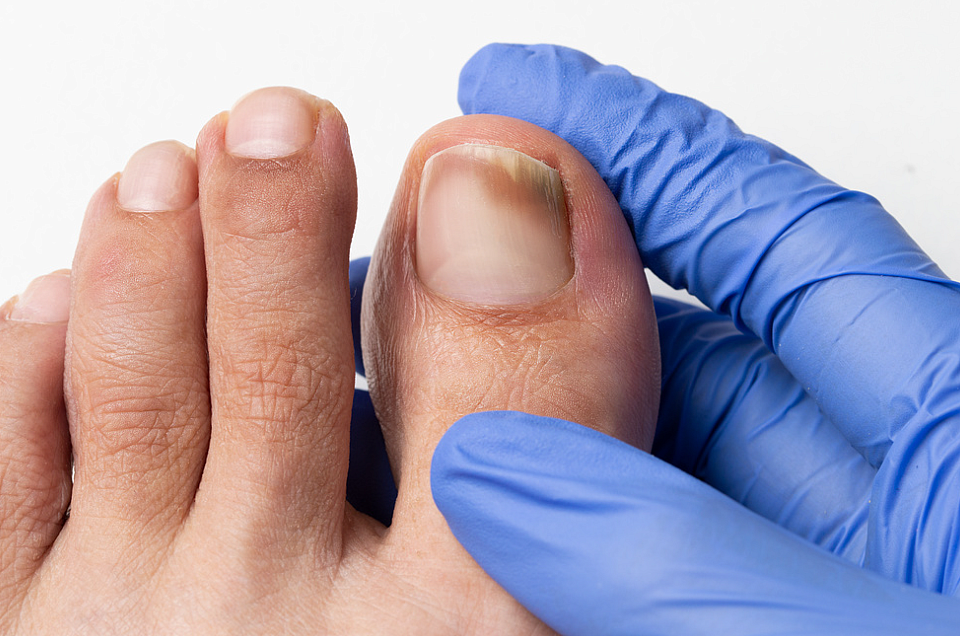
Diagnosis is by a dermatologist based on examination and history. In complex cases, dermatoscopy, an examination with a special instrument that allows a detailed examination of the structure of the nail and reveals characteristic signs (dilated capillaries, erythema, white halos around red spots), may be necessary. Sometimes a biopsy of the skin near the affected nail is done for histology.
Important!
Nail psoriasis is important to distinguish from fungal infection because symptoms can be similar.
How to treat
Treatment is complex and individually selected. It is aimed at relieving inflammation, restoring nail structure, and prolonging remission.
Main methods:
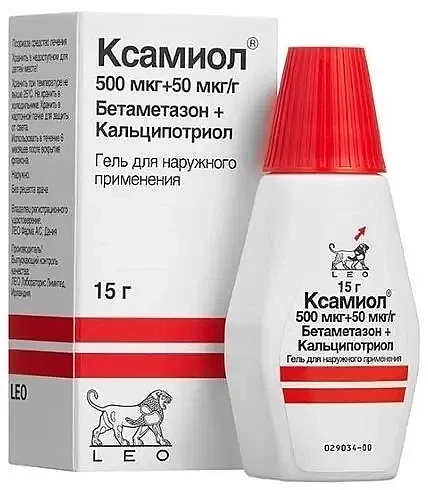
Topical therapy. Corticosteroid ointments, calcipotriol (a vitamin D analog), and tazarotene, are applied to the nail bed after preliminary cleaning.
Systemic therapy. Patients with extensive dermal and articular involvement may be treated with drugs (methotrexate, cyclosporine, apremilast) or biologic agents (secukinumab, ustekinumab).
Hardware Cleaning. A medical pedicure using low-abrasive mills helps to remove the corneal layers painlessly and prepare the nail for the application of drugs.
Phototherapy.
UV radiation slows cell division.
Important recommendations:
Rough saws and aggressive wire clippers should not be used because they may worsen Kebner phenomenon (causing psoriatic plaques at the site of injury).
Avoid nail injuries and good hygiene (handle with an antiseptic, do not use other people's bednets).
It is important to control triggers: avoid stress, adjust nutrition (exclude spicy dishes and alcohol), treat chronic infections.
It is important to understand:
nail psoriasis is a chronic disease and cannot be completely cured. However, modern therapy allows for long-term remission, in which visual changes disappear and the quality of life of the patient is preserved.
What to do if you notice changes
At the first suspicious symptoms (pits, discoloration, detachment) I recommend to consult a dermatovenereologist or a subologist. Prompt treatment can help stop the progression of the disease and prevent severe nail deformities
1. Nail Psoriasis: A Review of Effective Therapies and Recommendations for Management
2. Nail clipping in onychomycosis and comparison with normal nails and ungual psoriasis
3. A pilot study of intralesional methotrexate injections versus triamcinolone acetonide in patients affected by nail matrix psoriasis
4. Overall Prevalence and Prevalence Compared among Psoriasis Treatments of Onychomycosis in Patients with Nail Psoriasis and Fungal Involvement
5. Musculoskeletal and nail ultrasound findings in children with psoriasis: a case-control study