
Pancreas and Alcohol: Understanding the Risks

The pancreas is not located under the stomach as the name suggests, but rather behind it and works as a gland of both external and internal secretions. External secretion consists of secretion of pancreatic juice, which is involved in the digestion of food, and internal secretion of the hormones glucagon and insulin, which control carbohydrate metabolism, into the blood.
Inflammation of the pancreas is called pancreatitis. This is a serious disease with a number of causes, in the development of which alcohol plays an important role. For example, 2/3 of cases of chronic pancreatitis are known to occur in people who actively abuse alcohol
Acute pancreatitis
Studies have shown that acute pancreatitis develops after a sufficiently long alcohol abuse - up to 5-10 years. Acute pancreatitis itself is relatively rare, and inflammation of the pancreas and damage to its cells last only a few days. However, in 1 of 5 cases, acute pancreatitis is severe. Enzymes from the pancreas may then leak into the bloodstream and cause serious organ damage, such as kidney failure. Severe acute pancreatitis may cause marked metabolic disturbances and heart failure. The main manifestations of acute pancreatitis are abdominal pain, nausea and vomiting, and fever. Of course, not all alcoholics develop pancreatitis, but one case of acute pancreatitis is enough that a subsequent drinking literally killed the pancreas.
Chronic pancreatitis: pain, jaundice, weight loss.
Compared with acute pancreatitis, chronic pancreatitis lasts longer and causes the pancreas to be unable to function. Flare-ups of chronic pancreatitis are usually preceded by alcohol spells. Chronic pancreatitis is suggested by recurrent left abdominal pain and back pain, weight loss, digestive disturbance, foul-smelling fat, and jaundice. Both types can be caused by heavy drinking. Moreover, the first case of acute pancreatitis significantly increases the risk of developing chronic pancreatitis in the future. And how long people live after acute pancreatitis is determined by whether they can abstain from alcohol. True, in some cases the disease can take an occult course without acute pancreatitis, but with the subsequent development of pancreatic failure.
Staging alcoholic pancreatitis can be difficult because patients see a doctor when the pancreas is affected at different times. Also, biopsy of the pancreas is rarely done unless cancer is suspected.
Alcohol and the risk of pancreatitis
Doctors and scientists believe that drinking heavily increases the risk of pancreatitis. How alcohol specifically triggers acute pancreatitis is unclear. One theory is that alcohol molecules contribute to the progressive damage of pancreatic cells by interfering with their work. Also at the cellular level, one of the first signs of alcoholic chronic pancreatitis is an increase in the amount of proteins in pancreatic juice. These proteins block the small outflow ducts of the gland, resulting in its fibrosis. But whatever the nature of the disease, the relationship between acute pancreatitis and alcohol abuse is unmistakable. And the more people drink, the higher their risk of pancreatitis.
There are people in whom the pancreas may be affected by as little as 20 g of alcohol a day, while others may drink up to 200 g a day for long periods before any signs of illness are detected. Over time, pancreatic cell dysfunction becomes permanent, leading to chronic pancreatitis. Chronic pancreatitis is caused by prolonged and regular heavy drinking in seven out of ten cases. Chronic pancreatitis due to excessive alcohol consumption is most common among men aged 45 to 54. In addition, the adverse effects of alcohol on the pancreas are exacerbated by smoking.

Treatment of acute and chronic pancreatitis
When diagnosing acute pancreatitis, you must first stop drinking alcohol and strictly follow a diet with a small amount of fat. This will reduce the risk of a recurrent episode and the development of chronic pancreatitis. Those who continue to drink will have more frequent flare-ups, tripling their risk of dying from the complications of the disease. In chronic pancreatitis, pancreatic cells are permanently damaged, and fibrosis develops. Chronic pancreatitis cannot be cured completely, and the outcome is often poor. People who survive must take drugs containing enzymes and pancreatic hormones for life to digest food normally and to maintain normal blood sugar levels. However, they may develop pancreatic insufficiency with digestive problems and diabetes. In acute pancreatitis, alcoholic beverages are excluded for up to half a year, allowing the body time to recover.
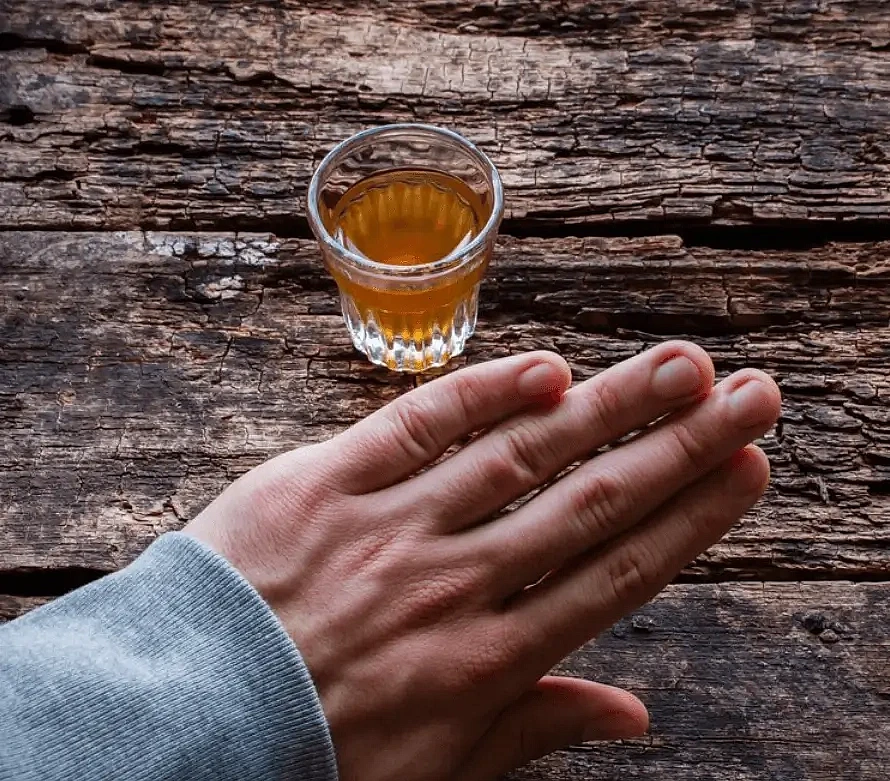
Consequences of pancreatitis: diabetes mellitus
About one third of patients with chronic pancreatitis eventually develop diabetes, which may occur 20 years after the diagnosis of pancreatitis. Another complication of chronic pancreatitis is the formation of pseudocysts of the pancreas. In most patients, they do not cause discomfort and are detected only by computed tomography, but in some patients, pseudocysts may cause abdominal pain, flatulence, and digestive problems. Finally, alcohol, once chronic pancreatitis develops, greatly increases the risk of pancreatic cancer.
Prevention of pancreatitis
- Prevention of pancreatitis due to alcohol and other causes includes only a few points:
- monitor your diet (it should not be too fat), since pancreatitis can be associated not only with alcohol, but also with
- gallstones;
- regularly exercise, do not allow weight gain
- forget about extreme diets;
- quit smoking.

These peptides work by providing targeted biological signals that help pancreatic cells function more efficiently and maintain normal physiological processes