
Scientists Identify a Compound That May Protect Against Fatty Liver Disease
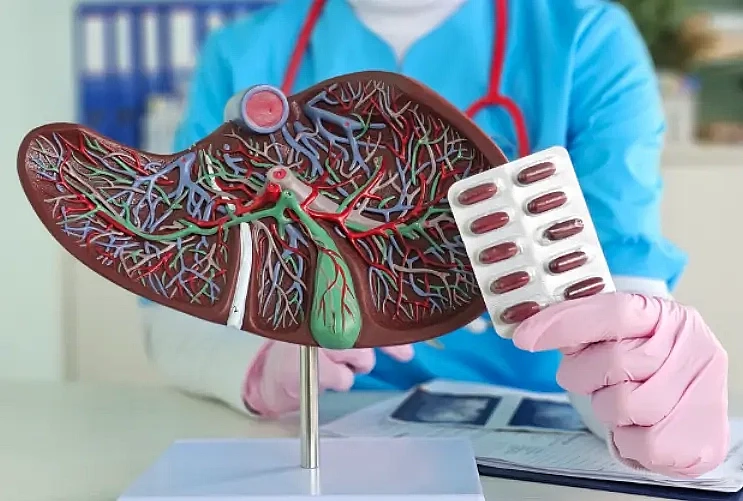
Some medicinal herbs contain berberine, a special substance that is likely to reduce fat deposits in the liver. This conclusion was reached by researchers after analyzing scientific publications on the effects of berberine on the liver.
It appears to help regulate fat and glucose metabolism, increase insulin sensitivity of cells, and even protect liver cells from damage caused by oxidative stress. In addition, berberine can change the composition of the intestinal microflora and strengthen the protective barrier of the intestine. These processes can reduce the inflammation associated with liver disease.
Berberine is a natural alkaloid (a nitrogen-containing organic base) that occurs in various plants. It accumulates in different parts of plants, but most often in the bark and roots.
The main vegetation sources
Here are some plants that contain berberine:
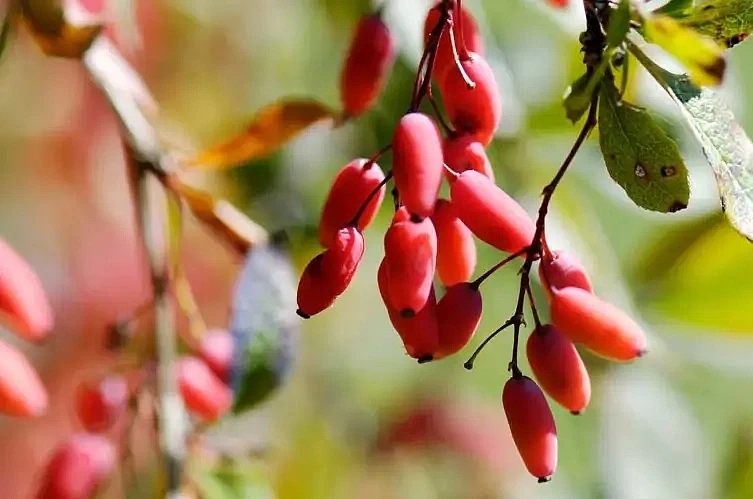
Various species of barberry (lats. Berberis), e.g. barberry (Berberis vulgaris)
Alkaloid can accumulate in significant amounts in barberry: in barberry roots, the common berberine content reaches up to 1.5%.
In clinical trials, patients who took berberine decreased liver fat accumulation and improved metabolic performance. The substance is poorly absorbed when taken by mouth, and the results vary from person to person. Further research is needed to assess its effectiveness.
1. The Effects of Obesity on Outcome in Preclinical Animal Models of Infection and Sepsis: A Systematic Review and Meta-Analysis
2. Autolysosomal Dysfunction in Obesity-induced Metabolic Inflammation and Related Disorders
3. Hepatic stereological analysis in obese Zucker rats (Leprfa) with dyslipidemia
4. Obesity Is Associated with Fatty Liver and Fat Changes in the Kidneys in Humans as Assessed by MRI
5. Protective effects of hepatic diseases by bioactive phytochemicals in Fusarium oxysporum – A review