
Seborrheic dermatitis: types, causes, symptoms
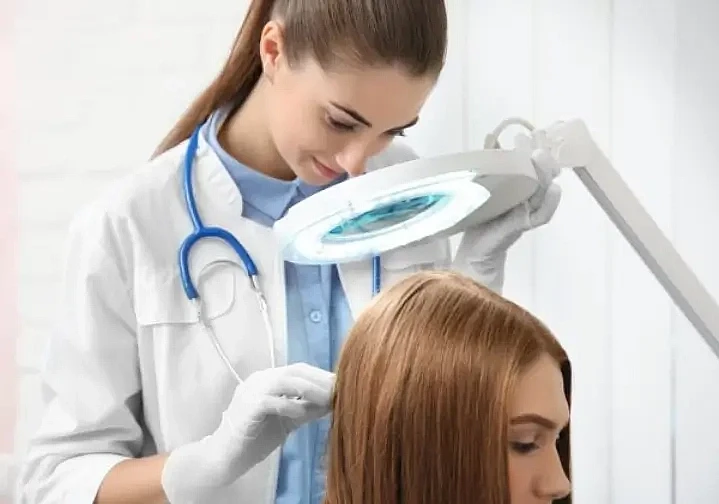
Seborrheic dermatitis is an inflammatory skin disorder that often affects the scalp and causes red scaly patches on its surface. Symptoms may appear on the face, upper body. Seborrheic dermatitis is a chronic disease, it is completely impossible to cure it, but strictly following the recommendations of the doctor and conducting active treatment, you can achieve long-term remission.
Seborrheic dermatitis: what types
Seborrhoeic dermatitis is characterized by red, greasy patches on the skin with a white or yellow crust.
In clinical practice, it is customary to identify 2 main types of disease:
Neonatal cap
Seborrheic dermatitis of the scalp often occurs in young children and causes scaly patches on the scalp. Typically, symptoms of dermatitis resolve on their own, without any treatment, within months. In very rare cases, the symptoms of seborrheic dermatitis can affect the whole body of a child, with red scaly patches and inflammatory elements on the skin.
Regardless of the form of dermatitis, it tends to disappear permanently by the time the year is reached.
Dermatitis acquired
Seborrheic dermatitis in adults is more often acquired. There are periods of remission and exacerbation, which can be triggered by various factors: diseases, injuries, stresses and even aggressive weather conditions.
Causes and risk groups
The prevalence of seborrheic dermatitis is 1 to 3% in the global population. The exact cause is unknown, but many people in affected areas are overactive and overgrow certain fungi.
Doctors identify a number of factors that greatly increase the likelihood of developing seborrheic dermatitis:
- chronic skin diseases;
- acne;
- alcohol abuse;
- eating disorders;
- hereditary factor.
- Some scientists suggest that hormonal abnormalities can significantly increase the likelihood of developing seborrheic dermatitis.
The presence of fungi on the scalp and the overgrowth of their colony, cold, dry weather, etc. can become triggers of an exacerbation.
What symptoms should I look for?
Symptoms of seborrheic dermatitis may worsen significantly in cold, dry weather and if patients are chronically stressed. Patients come to the doctor with the following complaints:
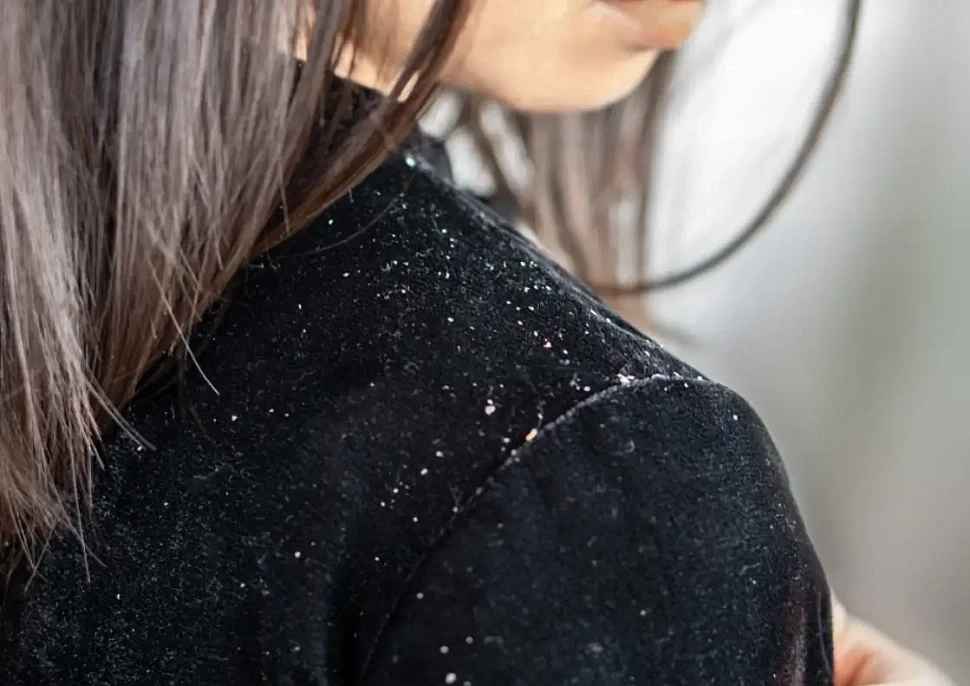
dandruff and significant peeling of the scalp, on the face in the area of the beard, mustache, eyebrows;
the appearance of fatty spots on the skin of the head, face, nose, eyelids, ears, chest and under it, in the armpits and groin;
red spots with inflammatory elements;
itchy skin.
What treatment do doctors offer?
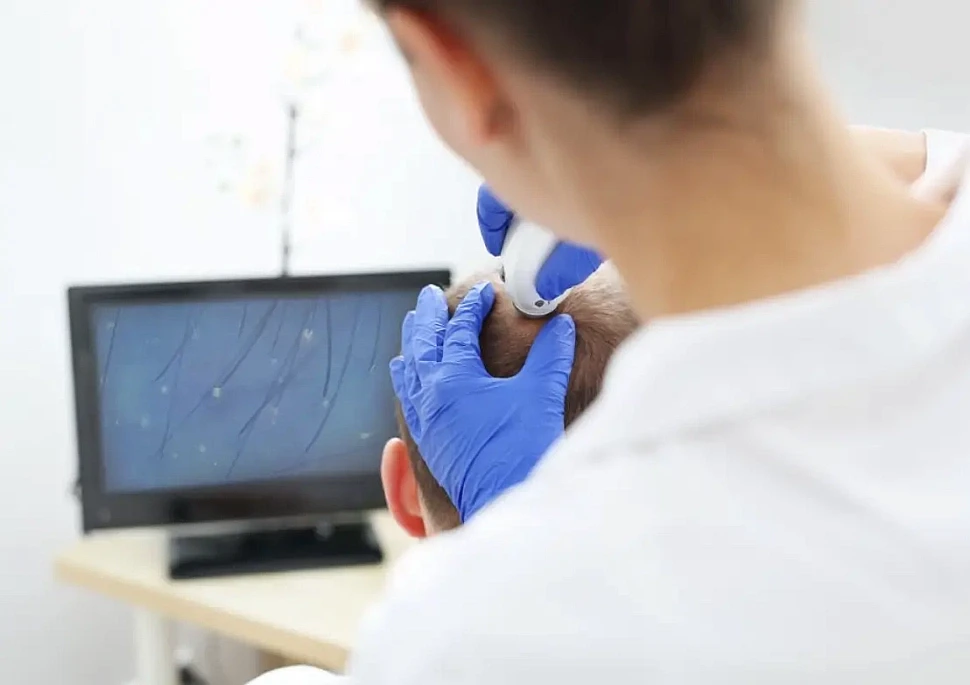
Only a doctor can make a diagnosis and prescribe treatment. This may require some testing. The plan and tactics depend on the severity of symptoms, the patient’s condition, and the form of the disease. But, as a rule, home care products are initially recommended and only when they are ineffective are medications and methods recommended.
Home treatment
The first thing you need to start and strictly monitor is hygienic care of the affected skin. Doctors recommend taking a shower daily, taking care of the cleanliness of the skin in the affected area.
Being in the sun and being exposed to sunlight can help limit yeast growth, which can contribute to inflammation and symptoms.
When dandruff occurs, people may use shampoos or foams to fight it. Well-proven remedies with coal tar, salicylic acid, etc.
Fish oil
A large amount of omega-3 fatty acids in fish oil and a number of other products known for their anti-inflammatory properties. Studies have shown that taking fat supplements reduces skin symptoms.
However, only a doctor can recommend the intake of fish oil, determine the schedule and duration of treatment, especially for young children.
Aloe vera
It also has anti-inflammatory properties, and the conducted studies prove its effectiveness against seborrheic dermatitis.
Use of aloe vera can help manage redness and itching during outbreaks, but a specialist should be consulted before using any remedies that contain aloe vera. Also, it is important to monitor for possible allergic reactions that can significantly worsen symptoms.
Allergy may appear not immediately, but some time after the use of the agent.
Administration of probiotics
Probiotics can strengthen the immune system and reduce symptoms of inflammation throughout the body. Although data on the effects of probiotics on disease outbreaks are scarce and controversial, they stimulate immune responses and may theoretically affect the course of the disease.
Essential oils
Tea tree oil has long been used as a remedy for the treatment of many skin diseases, it has antibacterial, antifungal and anti-inflammatory properties.
Before using the tool, you should consult a specialist, because it must be properly diluted and combined with other oils.
Applying oil directly to the affected area will help relieve itching, as well as stimulate the healing of scaly spots on the skin.
Drug treatment
Medicines in the form of creams, foams, gels, lotions or ointments containing corticosteroids can be prescribed only by a doctor, depending on the type of seborrheic dermatitis, the nature of its course and severity.
It is worth remembering that these medicines can contribute to skin thinning with frequent and uncontrolled use. Therefore, it is important to follow all the recommendations strictly, and courses should be short.
In some cases, doctors may recommend light therapy, such as exposure to ultraviolet light on affected areas of the scalp.
Prognosis of the Disease
Seborrheic dermatitis is a chronic disease that cannot be cured completely, and can only be achieved through long-term remission. Strict adherence to basic hygiene rules, the exclusion of triggers from everyday life allows you to achieve permanent remission.
Treatment may be prescribed only by a doctor, and self-medication may lead to unpredictable results.
1. Vitamin D levels in patients with seborrheic dermatitis
2. The Global Prevalence of Seborrheic Dermatitis
3. Second-to-fourth digit ratio and seborrheic dermatitis in males: a cross-sectional study*
4. Treatment of Facial Seborrheic Dermatitis with Pimecrolimus Cream 1%: An Open-Label Clinical Study in Korean Patients
5. Optimizing Treatment Approaches in Seborrheic Dermatitis