
Tea reduces the risk of cardiovascular disease
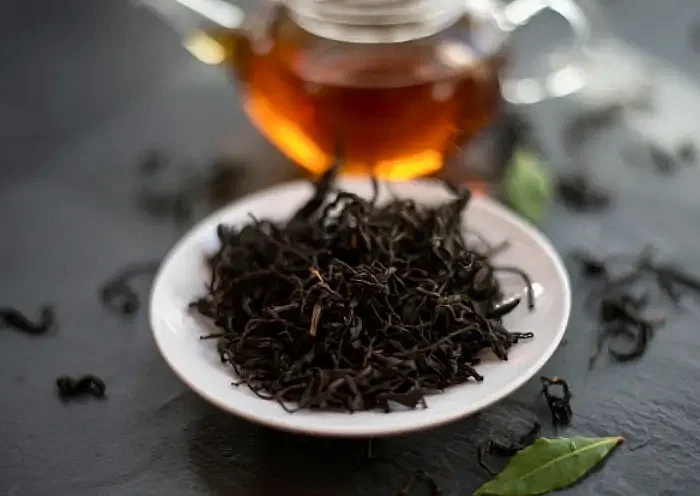
Tea lovers are less likely to experience heart and vascular disease. Researchers from China spoke about the connection between the habit of drinking tea and health.
Scientists analyzed data of almost 486 thousand people. In nine years, participants have reported almost 15,000 cases of vascular disease. Those who drank tea were 12% less likely to be at risk, and those who did not smoke and moved a lot were 46% less likely to be at risk.
The most pronounced connection with the benefits found when eating six to eight cups of tea a day. However, black tea has shown a stronger association with risk reduction than green tea. The temperature of the drink was also important. Consumption of burning hot tea was associated with a 16% increase in the risk of vascular disease. Also, other studies suggest that very hot drinks increase the risk of esophageal cancer.
Scientists note that the results of the study show a link between habits and cardiovascular risk, but do not prove that tea alone can protect against them.
There are interesting details, depending on the type of tea: in some studies, the association of risk reduction with black tea was more pronounced than with green tea.
Although green tea initially has more polyphenols (they are partially oxidized by fermentation, which is what black tea is made of).

Important caveats:
Moderation. The greatest benefit, according to some data, is the use of 6-8 cups of tea of medium strength per day. Too strong tea or a burning hot tea can have the opposite effect.
Temperature. On the contrary, consumption of very hot tea was associated with an increased risk of vascular diseases.
Lifestyle. Tea itself is not a magic pill. Its benefits are manifested in a complex: if a person simultaneously quits smoking and leads an active lifestyle, the effect is enhanced.
Complexity of communication. Some studies do not find a strong association between tea use and certain disorders (eg, coronary artery disease). Scientists therefore point out that they have found a correlation, rather than proving that tea is the only cause.
Conclusion
It can be said that regular moderate consumption of tea within a balanced diet is a good habit to support the cardiovascular system. But do not regard it as the only and universal means of prevention. As with any product, moderation and taking into account individual characteristics are important (for example, in hypertension, you should be careful with caffeine).
1. Tea and Cardiovascular Disease
2. Tea and health: preventive and therapeutic usefulness in the elderly?
3. Green tea and cancer and cardiometabolic diseases: a review of the current epidemiological evidence