
Viral Skin Diseases: Symptoms, Causes, and Treatment

The virus is among the smallest cellular organisms that can cause infectious diseases. Its structure is represented by a genetic material, which may consist of ribonucleic acid or deoxyribonucleic acid.
This genetic material is coated externally with a protein capsid. In addition, some viral particles have carbohydrate and fatty constituents.
The virus has no enzymes of its own and can live and multiply only inside human cells. The viral particle adsorbs on the surface of the cell and penetrates into the cell. Intracellular activity generates new viral particles that leave the cell with death or spontaneously.
Human papillomavirus manifestation
Human papillomavirus is a particle that contains deoxyribonucleic acid. It is very common in nature and is characterized by reproduction in the surface layers of the skin. In the process of life activity, it disrupts cell division and provokes the appearance of specific formations on the surface of the skin.
Transmission of this organism can occur in several ways, including
- Sexual transmission;
- Contact and household transmission path;
- Infection of a child during passage through the birth canal of a sick mother.
- Risk factors for the development of such disease include a general decline in the body's immune defenses, abuse of bad
- habits, frequent stress diseases and chronic infectious pathologies of the body.
Human papillomavirus can cause the following skin manifestations: simple warts, flat warts, plantar warts, genital warts, and papillomas of the skin and internal organs.
Warts are a rough, often scaly, round lump on the surface of skin. The size varies greatly and can reach a large diameter. In some cases, these lesions are no different or darker in color than elsewhere in the skin. Warts are most commonly elevated. They can occur anywhere in the body but are most common on the upper and lower extremities.
Papillomas are a subtler manifestation of the virus. They are characterized by the appearance of growth on a thin leg with a pronounced hat. The color may also be very similar to other areas of the body. These lesions are usually uncomfortable, but bleeding and soreness can occur if they are injured.
Condylomas acuminata have a similar appearance to papillomas but a broader base. They occur on the surface of the genital organs and often tend to coalesce into large foci.
The danger of the papillomavirus is that, in an unfavorable course, there is a high risk of transformation into malignant forms of the pathological process.
Herpes virus test
The herpesvirus is also a DNA-containing element. Its peculiarity lies in the possibility of penetration into the ganglia of the nervous system and a long stay there in a sleeping state. However, after exposure to the precipitant, this viral particle may again give acute clinical manifestations, causing a recurrent course.
Herpes virus can be transmitted by any means possible: sexual, household, respiratory droplets and during childbirth. Infection occurs from a sick person in the stage of clinical manifestations.
The herpesvirus causes several types of disease, the most common being herpes labialis, genital herpes, and shingles.
Labial herpes and genital herpes differ from each other in the location of clinical manifestations. In herpes labialis, an abnormal process occurs on and around the mucous membrane of the lips. In the genital variant, the mucous membrane of the genitals is affected. In both cases, the disease begins with the appearance of edematous, hyperemic lesions, which is accompanied by a sensation of itching and burning. Vesicular elements filled with serous contents are then formed against this background. Over time, they crack open, leaving eroded, crusted soaking surfaces. Post-inflammatory pigmentation may persist after the crusts recede. In case of genital herpes, in addition to local manifestations, patients note a deterioration in their general condition with fever and increased fatigue.
Herpes zoster is characterized by nerve damage. The rash may develop in areas supplied by the affected nerve. The clinical presentation is similar to the two forms described above. The area of skin becomes swollen and red. The affected area is markedly painful and burns. Against the background of this process bubbles with transparent content are formed. They tend to be grouped, but they may be located separately. Neurologic pain may persist for a long time after symptoms subside.
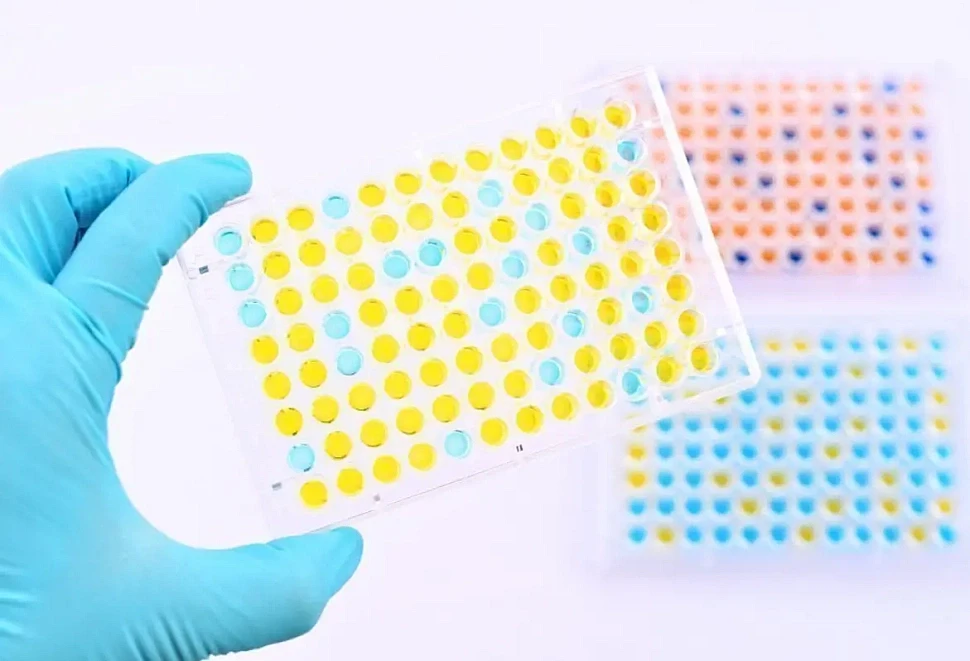
Diagnosis of these disorders
The above-described diseases are diagnosed on the basis of patient’s complaints and clinical picture. The most reliable methods that identify the virus include
Polymerase chain reaction;
Enzyme immunoassay.
Virus treatment and prevention
Methods of treatment of viruses include etiotropic therapy with specific antiviral drugs. When herpes occurs, antiviral drugs can be used both systemically and topically. In addition, papillomas and warts are removed by physical or chemical destruction.
Avoiding direct contact with sick people and increasing the immune system’s overall defenses are recommended for prevention.
1. Detection of Human Herpes Virus 8 in Kaposi’s sarcoma tissues at the University Teaching Hospital, Lusaka, Zambia
2. Special Issue: Research on Herpes Virus Fusion and Entry
3.Clinical features and outcomes of COVID-19 patients with concomitant herpesvirus co-infection or reactivation: A systematic review
4. Prediction of herpes virus infections after solid organ transplantation: a prospective study of immune function
5. Herpes Simplex Virus 2 Infection Rate and Necessity of Screening during Pregnancy: A Clinical and Seroepidemiologic Study