
What can you eat if you have psoriasis?
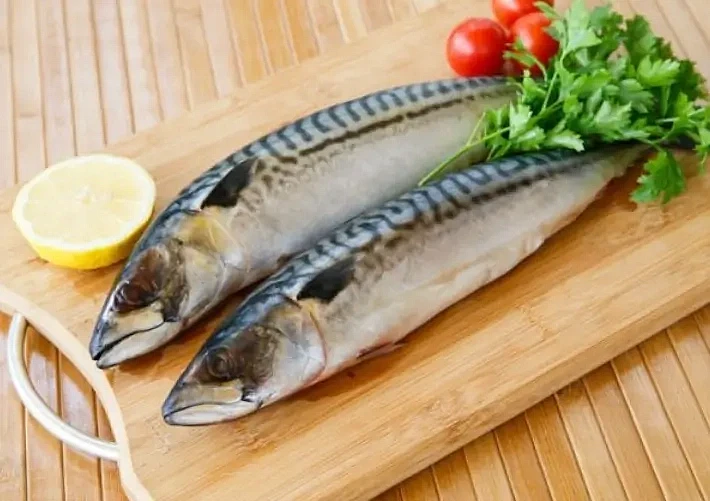
It should be said at once that there is no single nutritional plan for all people with psoriasis. From time to time there are reports that someone with a diet managed to defeat an insidious disease, but again these cases are rather isolated and what helped one person, for another can be completely useless. However, this does not mean that nutrition has no effect on the course of the disease. It is well known that certain products can significantly worsen the patient's condition: for example, alcohol.
A few important points
Often, a combination of different techniques—for example, topical therapy plus systemic treatment or phototherapy—is effective.
When choosing a doctor, one considers not only the severity of psoriasis but also the presence of comorbidities (for example, psoriatic arthritis), age, and individual risks.
Even with successful therapy, regular monitoring is important: sometimes the effect can "slip away" (the drug stops working), and the scheme needs to be adjusted.
Some systemic drugs have strict contraindications (eg, severe infection, certain chronic disorders, pregnancy).
Therefore, my main advice is: do not try to pick up the drug yourself. Make an appointment with a dermatologist - he will diagnose, evaluate all factors and make an individual scheme
General nutrition guidelines
Just as the cause of psoriasis has not yet been identified, there is no single "psoriasis diet." Sometimes the recommendations of specialists are so different from each other that the patient is lost and does not know who to listen to. But it’s simple - you need to listen to yourself, trying to understand how the skin and joints react to a particular product. The journey will be long and difficult. You may eventually have to completely replan your diet, but the end justifies the means, the symptoms of psoriasis, if not completely disappear, will become less pronounced.
What you can't eat with psoriasis
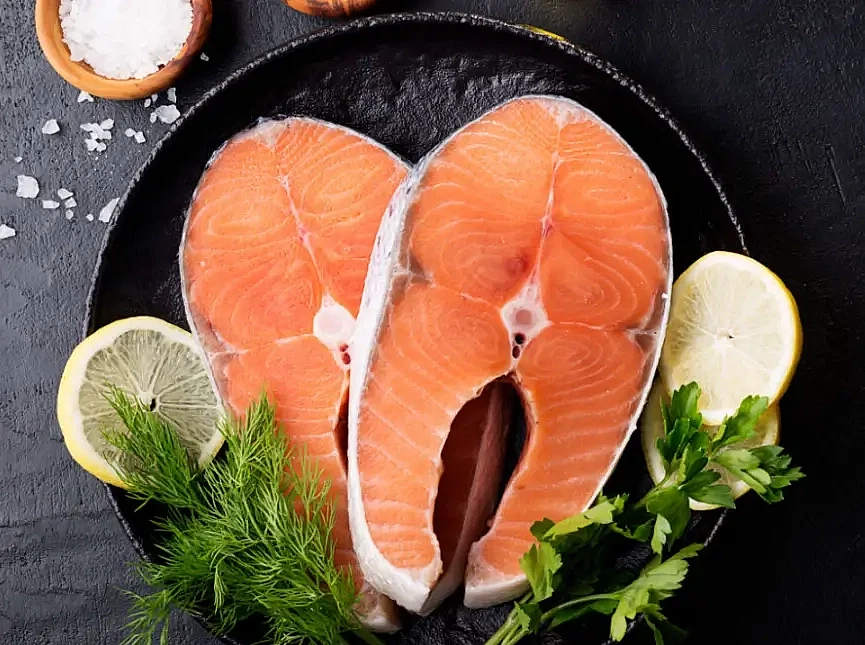
In general, it is recommended that all patients with psoriasis significantly limit their intake of animal fats. This means reducing consumption of fatty meat, sausages, butter, or cheese to the minimum possible. But unsaturated fatty acids in the diet are very welcome. A lot of them are contained in fish oil, so it is recommended to introduce fatty fish into the diet: salmon, herring, mackerel, etc.
Products containing arachidonic acid provoke inflammation, patients with psoriasis this acid is categorically not indicated for use. And it's in pork lard, pork liver, egg yolk, tuna filet, and cow's milk. Furthermore, it should not be forgotten that sugar is a catalyst that accelerates the absorption of this acid in the body.
Recommended Products
When using vegetable oil, make sure that it is a cold pressed product. It can be used only for salad dressing, heating the oil and frying the products on it can significantly worsen the skin.
The nutrition of a patient with psoriasis should be adequate and balanced. Whole grains, soybeans, potatoes, vegetables, fruits are permitted in any reasonable amount. Sprouted cereals are especially useful - they are rich in vitamins and nutrients.
1/3 of all vegetables consumed should be raw. In the cold season, it is worth emphasizing frozen vegetable mixtures, shock freezing allows you to keep the maximum amount of vitamins in them. Neither vegetables nor fruits can be left in water for long, otherwise water-soluble vitamins are washed out. Cooking should be done in steam or in small quantities of water.
People with psoriasis need more protein than ordinary people do. Animal protein is contraindicated due to its high fat content in meat. Milk is also on the list of banned products, but pulses can be an excellent source of plant-based protein.

Vitamin A is responsible for the renewal of skin cells, the required amount is contained in 100 grams of spinach or carrots, as well as in oranges, tomatoes, bell peppers, corn.
Patients with psoriasis also need vitamin E. Its daily dose of 14 mg is contained in 1 teaspoon of wheat germ oil, 1 tbsp of sunflower oil or in 60 g of hazelnuts.
Iodine also protects the skin from drying, and iodized salt contains sufficient amounts.
The patient should drink at least 1 L of clean water daily. Lack of fluid worsens the skin condition, as does alcohol in any amount.
And in general, the nutrition of a patient with psoriasis should be such that his weight remains normal. Excess weight not only overloads the joints, but also contributes to the formation of skin folds, friction and increased sweating, which significantly worsens the condition of the skin. In addition, fat contributes to the occurrence of inflammatory processes, and to allow this in psoriasis is absolutely impossible.
1. Bee Products in Dermatology and Skin Care
2. Higher bodily adiposity, fat intake, and cholesterol serum levels are associated with higher disease activity in psoriatic arthritis patients: is there a link among fat and skin and joint involvement?
3. Impact of Alcohol Consumption, Smoking, and Diet on the Severity of Plaque Psoriasis: A Comprehensive Assessment using Clinical Scales and Quality of Life Measures
4. Nutritional Therapy in Persons Suffering from Psoriasis
5. Excessive intake of sugar: An accomplice of inflammation