
What Causes Psoriasis?
Psoriasis is a common noncommunicable disease in dermatological practice. It is characterized by the development of pathological processes on the surface of the skin, on the nails and in the joint tissues. Has a chronic recurrent course and is accompanied by the appearance of characteristic morphological elements.
Today, the number of people with psoriasis is steadily increasing. The disease occurs in any age group, regardless of the social standard of living. At the moment, however, no reliable reasons for its occurrence can be identified. Genetic predisposition to such a pathological process has a role to play. There are a number of predisposing and provoking factors to psoriasis.
These include:
- Exposure to chemical or physical irritants on the skin;
- Infection with bacterial, fungal or viral flora;
- Various hormonal disorders;
- Excessive consumption of alcohol and nicotine;
- Allergic reactions and skin inflammatory diseases;
- Strong stress experiences;
- Violation of the level of immune defense of the body;
- Prolonged use of certain drugs
All of the above factors are not a 100% cause of the disease. They can only push the body to develop a pathological process in the presence of a predisposition to it. However, it is worth noting that psoriasis can be manifested for the first time at any age.
Psoriasis is classified into several major forms depending on its clinical presentation:
Arthropathic form
Manifestations are chronic lesions of articular areas. However, in some cases the skin manifestations of this disease may be absent. It is characterized by increasing pain in the joint, which over time can lead to a pronounced deformity of the affected area. An important feature is that exacerbations of this form are directly related to the season;
Pustular form
It is a rare species and is mostly found on palmar and plantar surfaces. Furthermore, the affected areas are covered by pustular elements. It can be generalized or localized. The generalized variant proceeds with a severe deterioration of the condition and pronounced intoxication of the body;
Erythrodermic form
It is a complication of the existing psoriatic process. It is characterized by a severe course with the development of a febrile syndrome. The sick person in this form notices an increase in pathological foci in size and a pronounced widespread erythema;
Guttate form
It is manifested by the occurrence of a large number of small flaky elements common throughout the body. In its shape, the pathological foci resemble a drop. This type is most common in children and adolescents;
Plaque form
This form accounts for the largest percentage of clinical cases. It is a typical manifestation of the psoriatic clinical picture. It is characterized by a fairly rapid onset and the appearance of hyperemic scaling plaques on the affected areas of the body. These plaques may coalesce to form large foci;
Seborrhoeic form
It develops in the places where the greatest number of sebaceous glands is concentrated, namely, on the scalp, the ears, in the chest area and between the scapulae. In its appearance, it resembles the clinical picture of seborrhea and is characterized by severe scaling;
Exudative form
Causes marked weeping of the affected area. At the same time, the foci of the pathological process have clear contours and significant cortical overlaps on their surface. Against this background, the sick person feels a strong sense of itching and burning.
Diet and treatment of psoriasis
For this disease, a diet with restriction of allergenic foods is prescribed. In addition, it is recommended to exclude too fatty and spicy dishes, as well as alcohol.
The principle of psoriasis treatment is the use of the following drugs:
Antihistamines;
Topical corticosteroids and aromatic retinoids;
Hyposensitizing drugs;
Keratolytic and keratoplasty agents;
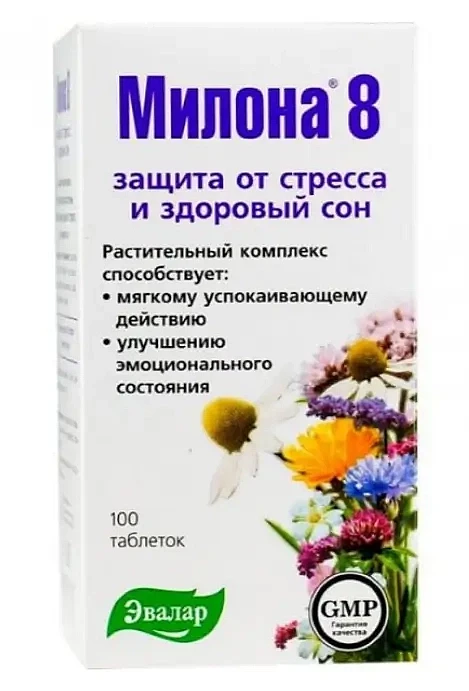
Vitamin therapy and sedatives.
3. Pustular psoriasis of pregnancy (Impetigo herpetiformis) - Case report*