
Why Does H. pylori Keep Coming Back?

To the absolute majority of its "hosts", the gram-negative bacterium does not cause any inconvenience. However, sometimes severe gastrointestinal abnormalities can develop in the presence of helicobacter.
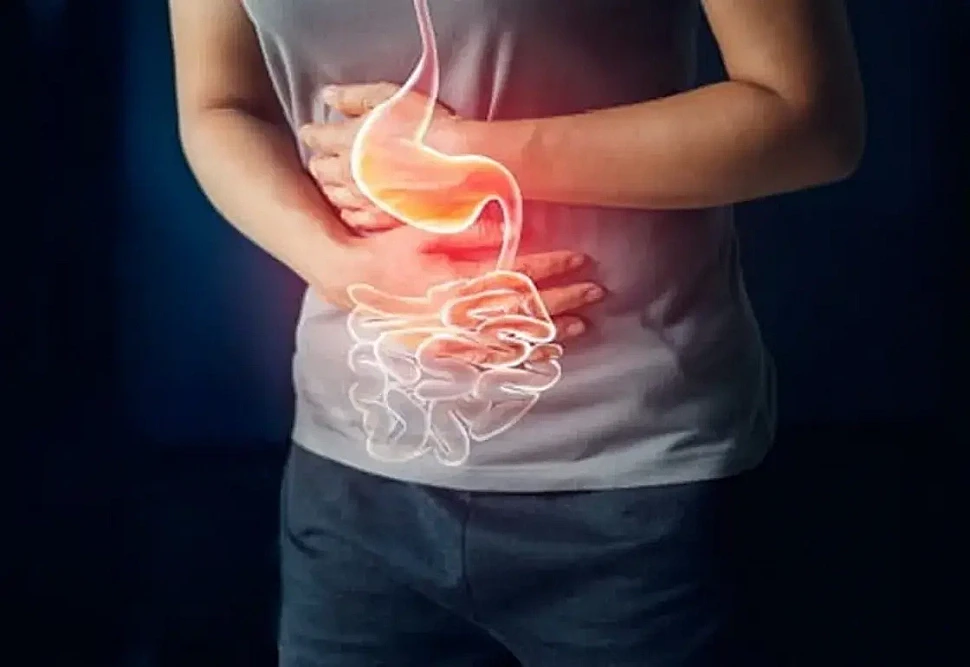
Luiza is 38 years old. When she first noticed heartburn and stomach pain, she attributed it to drinking coffee on an empty stomach, a poor diet, and stress. Over time, the symptoms worsened—her stomach felt as if it were being scalded with boiling water. Luiza then consulted a specialist. The doctor diagnosed her with *Helicobacter* infection and prescribed a course of antibiotics. The heartburn and pain subsided, only to return six months later. Why does this happen, and how can one get rid of *Helicobacter* for good?
Negative lifestyle factors certainly take a toll on the stomach, impairing blood supply as well as cell regeneration and mucosal defense mechanisms. However, the primary culprit is *Helicobacter*. This bacterium inhabits the stomach and becomes particularly aggressive when the organ is compromised. In some regions, nearly 90% of the population is infected with *Helicobacter*. It destroys the stomach's mucosal defenses, triggers gastritis and ulcers, and increases the risk of developing stomach cancer by up to twentyfold.
A urea breath test helps detect *Helicobacter*. Luiza tested positive for the harmful bacterium and was prescribed antibiotics. Unfortunately, these drugs often cause side effects and are not always 100% effective, as the bacterium can develop resistance to them.
However, simply eliminating *Helicobacter* is not enough. A second crucial step is to restore the stomach's mucosal lining, which has been damaged by the bacterium. Without this, the heartburn and pain will persist, as the stomach's aggressive hydrochloric acid will continue to erode the damaged mucosa, aggravating inflammation and promoting the development of erosions and ulcers.
What diseases of the stomach helicobacteria can cause
Even after the discovery of Helicobacter pylori, scientists long turned a blind eye to its role in the development of serious symptoms of GI diseases. Only at the end of the last century it was opened for the second time. And in 2005, the Australian scientists who made this rediscovery and changed their perspective on the treatment of helicobacter-associated gastric and duodenal ulcer won the Nobel Prize. Today, Helicobacter is recognized worldwide as the cause of more than one stomach disease. The frequency of helicobacter-associated ulcer disease according to the results of medical statistical studies is out of scale. It is considered an etiological factor of many episodes of not only gastric and duodenal ulcers, but also duodenitis, gastritis, cancer.
Medical statistics on the incidence of helicobacter associated ulcer disease
After the role of Helicobacter pylori in the etiology of gastrointestinal diseases was recognized, medical statistics on the incidence of Helicobacter associated ulcer disease appeared. According to her, 70 per cent of the world's population is a voluntary Helicobacter host. Worldwide, about 10% of adults have a stomach or duodenal ulcer. And in 80% of episodes, it is Helicobacter that causes the symptoms of the ulcer. That is, in 20% of all carriers of Helicobacter, it begins to behave aggressively and turns from a harmless neighbor into an onerous parasite.
However, there is a strange phenomenon: complicated forms of peptic ulcer disease are associated with Helicobacter only in half of cases, whereas uncomplicated forms are associated with the disease in 95% of episodes.
Tests to detect Helicobacter pylori bacteria
During FGDS, doctors take a small piece of stomach mucosa and do a light test, which evaluates the presence of this bacteria in the crosses from 1 to 4. Therefore, if you see the phrase "test for Hp - negative" in the conclusion of the FGDS, then you do not have it, and if "test for Hp ++++", then you have a lot of these bacteria and urgently need a doctor's consultation.
Urease test. You don't have to do an unpleasant procedure like FGDS. It is enough just to blow in a special tube and the result of the analysis will also be evaluated in crosses. It is important to remember that before the test, you must brush your teeth and rinse your mouth so that there are no false-positive results.
Blood test. Determination of antibodies to bacteria. This test is rarely used because it is easier and cheaper to do either of the first two.
Treatment of Helicobacter Pylori Bacteria
If you are found to have Helicobacter pylori bacteria, be sure to contact your doctor for treatment. The doctor will prescribe the so-called Eradication therapy - a course of certain drugs, including antibacterial drugs, that will cope with this microbe. It is not worth treating yourself.