
Psoriasis and the gluten-free diet
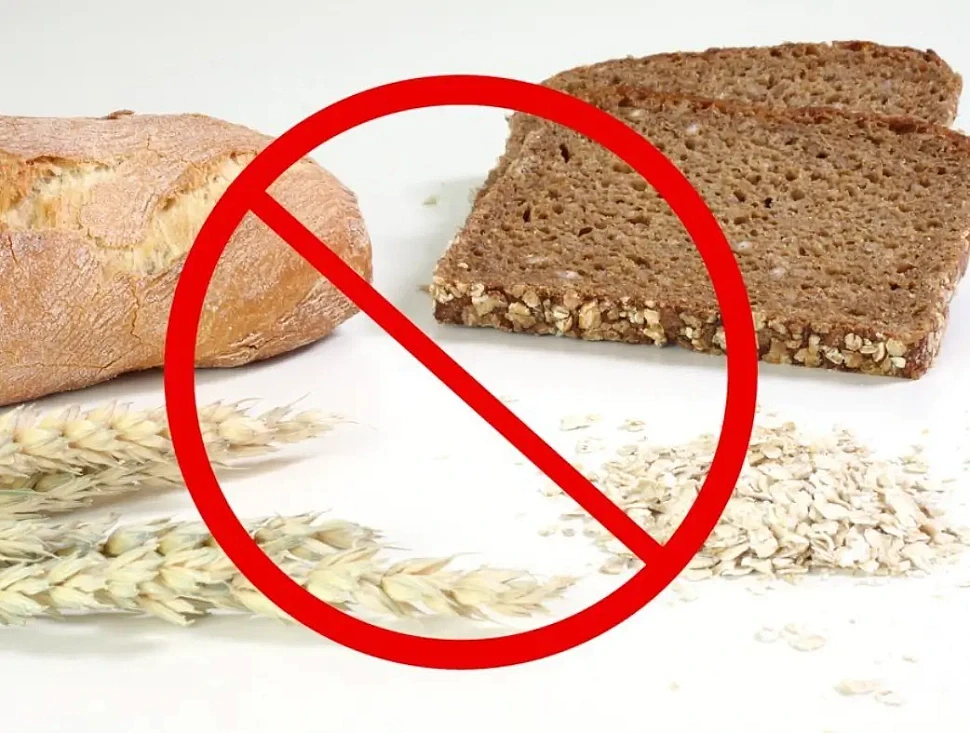
There is growing scientific evidence of an association between symptoms of psoriasis and celiac disease. Increasingly, the best nutritionists recommend that patients with this condition refuse gluten-containing foods.
The science of the relationship between psoriasis and food intolerance of gluten
Psoriasis, a systemic disorder that primarily affects the health of the skin, according to some experts, can be associated with celiac disease.
Recent research has shown that many people diagnosed with psoriasis have an increased amount of antibodies (proteins produced when the immune system tries to fight what it thinks is foreign to the body) to gluten, a protein found in some crops:
- wheat;
- rye;
- barley;
- oats.
A December 2010 study in the journal Clinical found an association between psoriasis and gluten sensitivity.
Many patients with daily pathological symptoms share the same view as scientists, linking psoriasis flare-ups with gluten-containing foods in their diet.
For example, Megan Ancheta from Wasilla (Alaska) does not doubt it. At the age of 14, she was diagnosed with psoriasis and in 2009 was diagnosed with psoriatic arthritis. Ancheta says she was tested. She wasn't diagnosed with celiac disease, but she was found to be very sensitive to gluten.
Before she changed her eating habits, getting out of bed in the morning was difficult. Ancheta believes that adherence to a strict anti-inflammatory diet with the exclusion of products containing gluten has allowed to reverse the development of the disease. The woman still has mild pain, which is a symptom of psoriatic arthritis and secondary Raynaud phenomenon (which is also autoimmune), but is now able to move actively and lead a normal life. This is significant because her "existence is quite restless, thanks to her two little daughters and a puppy," as she explains.
However, the relationship between psoriasis and celiac disease, two autoimmune disorders, remains controversial.
Valori Treloar, a dermatologist and certified nutritionist from Newton (Massachusetts), notes that a number of controversies may be related to the fact that some people with psoriasis are sensitive to gluten but do not always have diagnosed celiac disease. "I think gluten sensitivity can be evaluated on a scale, and celiac disease is at its farthest point," explains Dr. Treloar. "Not every person who is sensitive to gluten has celiac disease."
Jerry Bagel, M.D., director of the Psoriasis Treatment Center in East Windsor (New Jersey), estimates that up to a quarter of the 7.5 million Americans with the disease can practice preventive nutrition without gluten. "A 12-week diet can’t hurt them," says Dr. Bagel.

Possible benefits of a gluten-free diet
The main benefit is that eating without gluten-containing foods can help relieve symptoms of psoriasis. "Some people recover, but some don’t," Treloar says. "The only way to know if you can benefit from a gluten-free diet is to try it on yourself."
She believes that people with pustular psoriasis, which is accompanied by the formation of pustules on the palms and soles of the feet, are more likely than others to have an increased sensitivity to gluten. A gluten-free diet is especially important to them, she said.
Treloar cautions that patients who dare to experience the effects of a gluten-free diet should be patient. It may take 4 to 6 months to see a clear difference in objective health.
Gluten-free diet is quite rightly considered to be useful for the human body. After all, many processed foods are eliminated from the diet, freeing up space on the menu for fresh fruits, vegetables, meat, and dairy products.
A huge plus is that eating gluten-free helps reduce the risk of other disorders that may accompany psoriasis, such as
diabetes,
cardiopathology,
obesity.
"It can also help eliminate digestive problems," Bagel said.
"A lot of people tell me that after a few weeks, they feel a lot better," Treloar says. "Often they don’t realize that their digestive problems and poor health were caused by gluten intolerance until they quit gluten-free products."
A gluten-free menu allows you to feel the flow of energy. "It makes it easier for people to get on a diet and easily do it because they feel better," explains Treloar.

Possible nutritional deficiencies with gluten exclusion
Managing the Patient with Psoriasis and Metabolic Comorbidities
It is not easy to follow a gluten-free diet. After all, the diet will have to exclude not only porridges from potentially dangerous cereals, but also:
- bakery products;
- pizza;
- cookies;
- cakes, etc.
You have to say no to many processed foods, from sausage to salad sauces, because they often contain gluten. For example, dark beer is not allowed as part of a gluten-free diet. This drink is made from barley malt and is a hidden source of gluten.
A study published in August 2010 in the journal JAMA Dermatology found that women who drank dark beers were more likely to develop psoriasis than those who drank light beer, wine, or stronger alcoholic beverages. The authors consider one possible explanation for this fact that dark beer contains more barley malt.
The menu of this diet is limited to foods that are guaranteed to be gluten-free. So you're going to have to scrutinize the labels before you buy anything that you eat in the store. Many will be surprised to discover that gluten lurks where they never suspected it.
Tip
Experts recommend limiting the choice only to natural, unprocessed products, to cook healthy dishes at home.
Gluten-free products may contain a lot of added sugar and other empty calories. Many manufacturers add sweeteners, saturated fats, and preservatives to improve taste. "They tend to have a high glycemic load," says Treloar, "which can push up blood sugar levels."
Some people who go gluten-free may find themselves gaining weight because they eat more after a short time. "You can’t overeat, especially baking, just because it’s gluten-free," Treloar warns.
Important!
A gluten-free diet involves many limitations and is not indicated for everyone. Talk to your health care provider before changing your diet.

1. Dietary Intervention and Supplements in the Management of Psoriasis: Current Perspectives
2. Nutrition and Psoriasis: The Latest Evidence and How to Approach Nutrition in Clinical Practice
4. Targeting Cytokine Dysregulation in Psoriasis: The Role of Dietary Interventions in Modulating the Immune Response
5. Dietary Principles, Interventions and Oxidative Stress in Psoriasis Management: Current and Future Perspectives