
Can Hormonal Imbalances Cause Anxiety and Phobias?
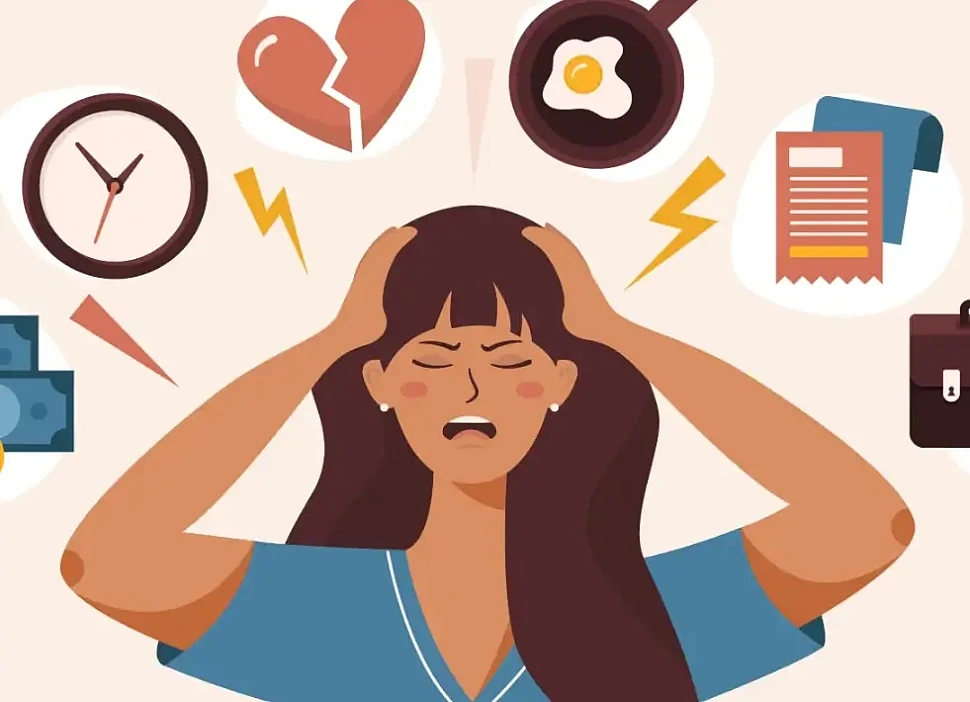
Anxiety, weakness, mood changes, and sleep disturbances are not always signs of a mental disorder. Sometimes the cause is thyroid dysfunction. Timely access to specialists, comprehensive diagnosis and treatment of identified pathologies will help to achieve improvement in physical and emotional health.
Lack of endocrine hormones can contribute to the occurrence or exacerbation of anxiety conditions, which sometimes manifest as phobias.
However, it is important to understand that hormonal imbalances are more likely to provoke or exacerbate existing psychological problems, rather than being the only and direct cause of phobias.
How hormones affect the psyche
The endocrine system is closely related to the nervous system, and hormones regulate brain function, neurotransmitters (serotonin, dopamine, norepinephrine), and nervous system excitability. Too few or too many can impair emotional stability.
Thyroid hormone deficiency and anxiety
The most studied example is hypothyroidism, a condition in which the thyroid gland does not produce enough thyroid hormones (T3 and T4). Their deficiency leads to a slowing down of metabolic processes in the central nervous system, which is manifested not only by fatigue and lethargy, but also by anxiety symptoms: internal tension, anxiety, panic attacks.
The mechanism is related to the fact that thyroid hormones modulate the activity of neurotransmitter systems and affect the sensitivity of receptors to neurotransmitters. When they are deficient, the synthesis of serotonin and dopamine decreases, which directly affects mood and emotional stability.
Interestingly, emotional disturbances are more common in hypothyroidism with autoimmune thyroiditis, and cognitive disturbances (problems with memory and concentration) after removal of the thyroid gland.
Other endocrine disorders and psychology
In addition to the thyroid gland, other hormones affect the mental state:
Adrenal: Cortisol deficiency can cause increased anxiety, fatigue, and decreased stress tolerance.
Sex hormones (estrogen, testosterone): Their imbalance (eg, in menopause in women) is associated with mood swings, anxiety, and even depression.
Pancreatic hormones (insulin): Abnormalities in glucose metabolism can cause anxiety and irritability.
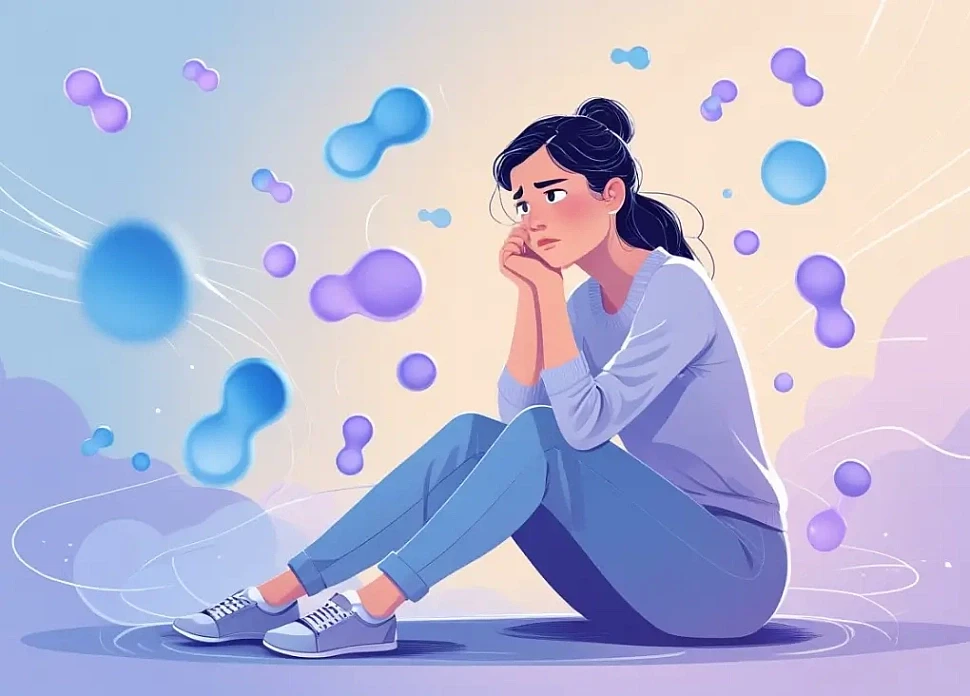
What symptoms may suggest thyroid problems:
Abnormalities in thyroid function are suggested by a number of characteristic findings. Some also occur in psychiatric disorders, sometimes making diagnosis difficult. Such symptoms include
Fatigue and feeling weak even after a rest
Apathy and Energy Loss
Decreased interest in usual activities and motivation
Anxiety and internal stress
Irascibility, frequent mood change
Sleep disorders: Insomnia or, conversely, increased sleepiness
Additionally, thyroid malfunction can be signaled by:
- Recruitment or abrupt loss of body weight
- Feeling cold or hot all the time
- Increased dryness of skin, hair, and mucous membranes (including the mouth) or sweating
- A sense of a racing heart or a tendency to slow the heart rate
- Hair loss, eyebrows
- Irregular menstrual cycle in women
Symptoms depend on whether the body produces too few hormones (hypothyroidism) or too many (hyperthyroidism).
How Hyperthyroidism Is Related to Anxiety
Hyperthyroidism is caused by an excess of thyroid hormones. A high concentration of thyroid hormones actively stimulates the nervous system, increasing sensitivity to epinephrine and norepinephrine. It causes characteristic symptoms:
Increased anxiety and internal stress
Difficulty relaxing, falling asleep, and sleeping rough
Irritability, irascibility, impulsivity
Frequent changes of mood without cause
Lack of concentration and difficulty retaining thoughts due to the constant inner "fuss"
Hyperthyroidism can also cause physical symptoms, such as palpitations, shaking, and sweating, and is often confused with panic attacks.
Thus, many symptoms of thyroid disorders are similar to those of some mental disorders, so when determining the cause of depression or anxiety, it is important to consider the likelihood of hormonal causes and to conduct a comprehensive diagnosis.

What to do if you suspect
If you notice yourself having troubling symptoms, it is important not to self-diagnose, but to consult a doctor. Comprehensive diagnosis usually includes consultation with an endocrinologist and a psychiatrist/psychotherapist.
The doctor may do tests to evaluate hormonal background:
Thyroid: TSH, free T3, free T4.
Adrenal glands: cortisol, ACTH.
Sex hormones: estradiol, testosterone, progesterone.
Pancreas: Glucose, glycated hemoglobin.
Important: sometimes thyroid hormone tests may be normal, but there is a so-called "tissue hypothyroidism" - a deficiency of hormones in the tissues themselves, which can also cause anxiety.
Key point: Psychoemotional status often improves significantly with timely correction of hormonal imbalance (eg, hypothyroidism replacement therapy).
Thus, hormonal imbalance is a serious factor that should be taken into account when the onset of anxiety symptoms, but effective treatment usually requires a comprehensive approach involving specialists of different profiles.