
Can stress really cause insomnia?
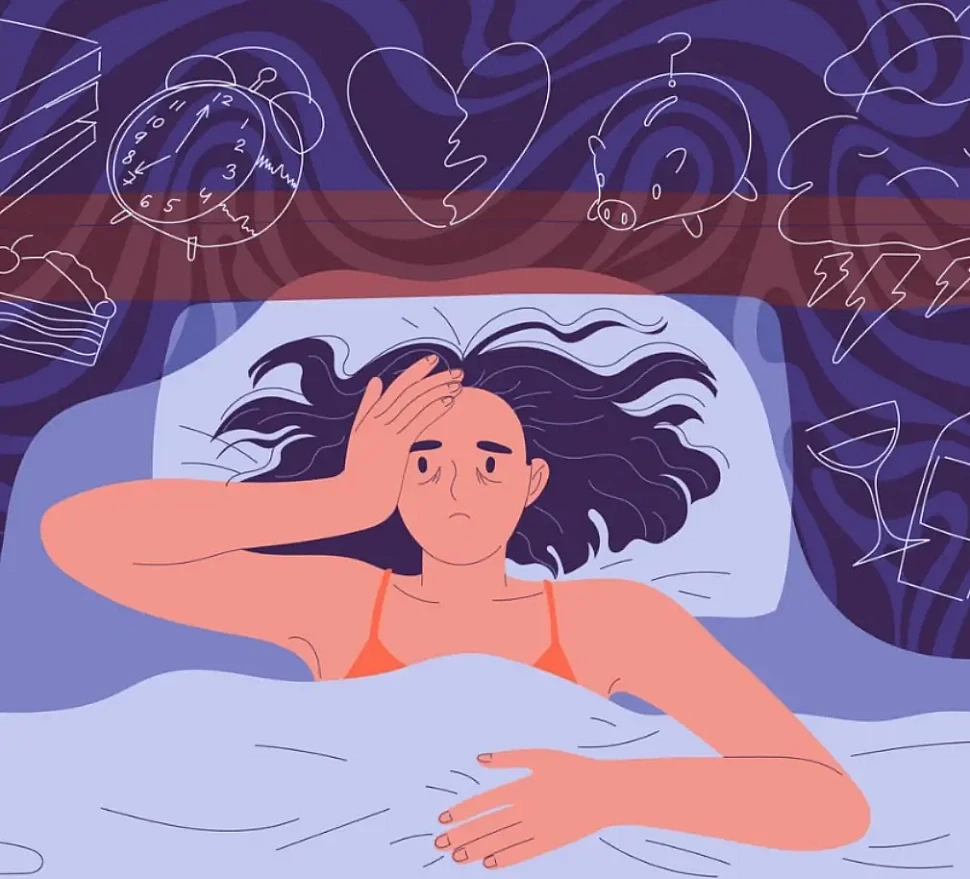
Yes, stress can indeed cause insomnia. This is supported by numerous scientific studies and clinical experience. The relationship between these conditions is bilateral: stress interferes with sleep, and the insomnia that has already occurred in turn exacerbates the stress state.
Why stress interferes with sleep
When a person is stressed, a "hit or run" physiological reaction is triggered in the body. The adrenal glands release stress hormones cortisol and epinephrine into the blood. At night, when there are no external distractions, this hormonal background does not decrease, but continues to maintain a state of wakefulness and high alert.
This results in a variety of sleep disorders:
Difficulty sleeping. Stress causes anxious thoughts and intrusive thoughts that do not allow you to relax and go to sleep.
Frequent waking up at night. Stress increases the general level of nervous system excitation, making sleep shallow and intermittent.
Early morning awakening. With increased anxiety, cortisol levels may begin to rise earlier than usual (at about 3 to 4 a.m.), which triggers an awakening with anxiety.
Disturbance in sleep structure. Even when a person falls asleep, stress alters the proportion of sleep phases: deep (slow) sleep time, which supports physical recovery, is shortened, and REM sleep, which is necessary to process emotions and to preserve memory, is disrupted.
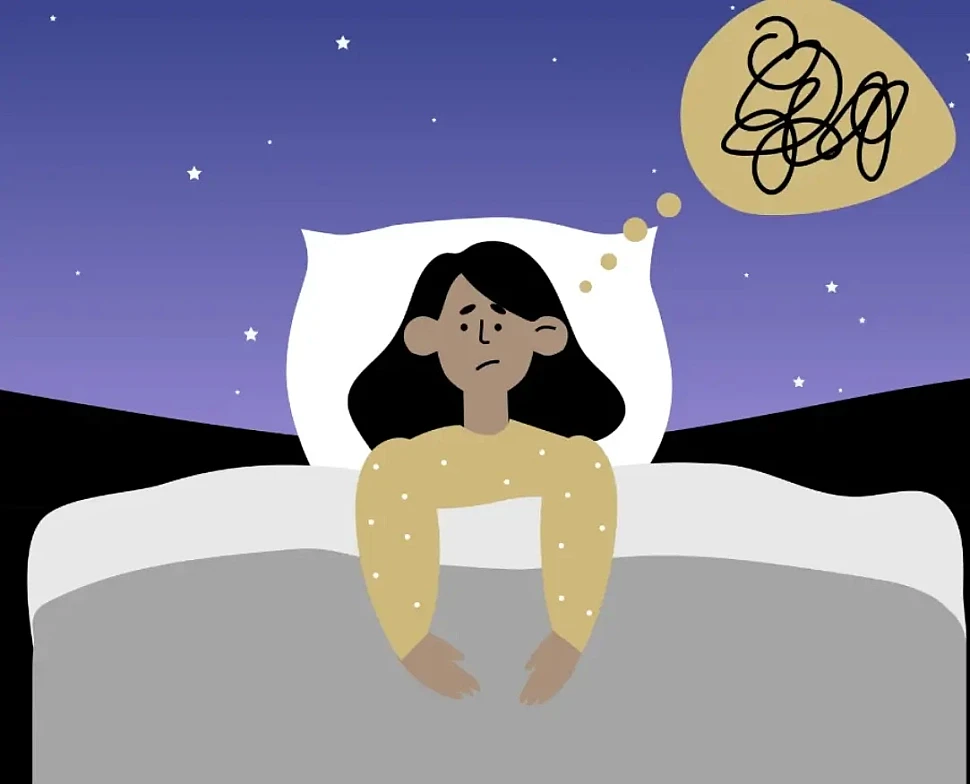
Acute and chronic stress: the difference
The effect of stress on sleep varies with its type:
Acute stress (for example, before an examination or an important event) usually causes brief sleep disturbances. Once the stressful situation has resolved, sleep tends to return to normal.
Chronic stress (long-term problems: at work, in relationships, financial difficulties) is more damaging. It changes the way people regulate sleep: anxiety becomes a background condition, and chronic insomnia develops and may persist even after the original cause of stress has subsided.
Scientific evidence of communication
"Relationship between emotional stress and sleep"
The paper analyzes the mechanisms of stress influence on sleep at different levels - structural-neurophysiological, neurochemical and somatovegetative.
"The Effects of Stress on Sleep Quality: Intermediate Analysis Based on Long-Term Data" A study on a student sample found that stress significantly affects sleep quality through mediating factors such as obsessive thinking, emotion-focused coping strategies, and smartphone addiction.
"Stress and sleep: neurobiological aspects and modern possibilities of insomnia therapy" The study on a large sample showed that high rates of digital stressors (cyber chondria, dumscrolling, dependence on social networks) are associated with a deterioration in the quality of sleep, an increase in the time of falling asleep and more frequent use of sleeping pills.
What to do if stress interferes with sleep
If you are faced with such a problem, I recommend you to act comprehensively:
Observe sleep hygiene. Go to bed and get up at the same time, create a comfortable atmosphere in the bedroom (cool, dark, quiet).
Manage stress throughout the day. Regular physical activity, mindfulness and relaxation practices (meditation, breathing techniques), limiting information flow (reducing time for news and social networks) help.
Don't make yourself fall asleep by force. If you cannot relax for 20-30 minutes, it is better to stand up and do quiet activities with a dim light until drowsiness appears.
Please contact a specialist. If sleep problems persist for more than three months, seriously affect the quality of life, are accompanied by daytime sleepiness, irritability or other anxiety symptoms, it is worth consulting a doctor (somologist, psychotherapist or neurologist).
A specialist can help identify the cause and determine appropriate treatment.
Remember, stress-induced insomnia is not a sentence. With the right strategies, you can break the vicious cycle and return to a healthy sleep.