
Fear of Spiders (Arachnophobia): Symptoms, Causes, and Treatment
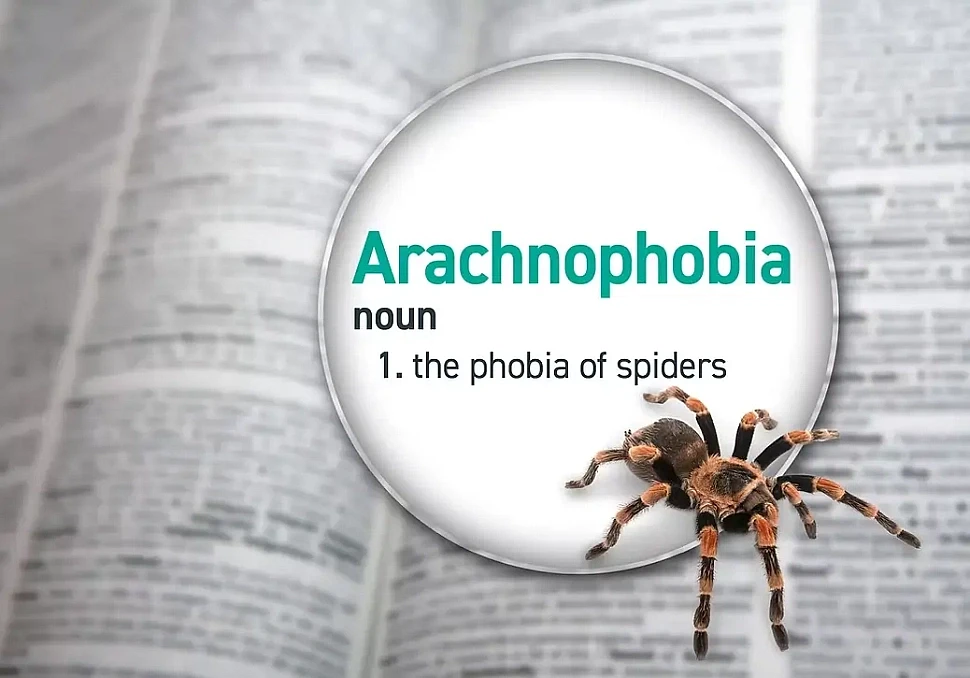
What is arachnophobia
Christine enters the bathroom, turns on the light, and sees in the corner a small dark spot surrounded by 8 thin legs. A spider runs down the wall, awakened by the light, and although student and future psychologist Christine absolutely knows that this small creature is completely unable to cause her any harm, she runs into the corridor in panic and refuses to go into the bathroom until someone removes the "worst of the monsters".
Spider fear, or arachnophobia, is one of the most common fears in humanity, a kind of disease that plunges people into a state of panic, no matter how large or dangerous the spider is. Ordinary persuasions and exhortations remain powerless. Any person can develop arachnophobia regardless of their age, financial status, or social status.
Signs of arachnophobia
Symptoms of arachnophobia are usually fairly typical. At the sight of even the smallest spider, the human body reacts by appearing:
Panic
Heart rate increased
Shaking of hands
Dizziness.
In the worst case, the case may even faint. Cristina herself says she cannot cope with her fear because panic grips her instantly, before her mind turns on its argument. Numerous studies have shown that patients with arachnophobia almost always greatly overestimate the size of spiders, here is the actual confirmation of the saying "Fear has big eyes".
Causes and treatment of arachnophobia
But where did this phobia come from? It's all about genetic memory, human psychology remembers how in ancient times, when spiders were the size of a small pizza, only those who responded in time to the appearance of a monster near themselves could survive and leave their offspring. Those without the fear gene simply did not survive, and the cowards not only survived, but passed on a combination of their genes to successive generations.
This seems to be a logical explanation, but if it were just that, the phobia would extend to insects, at the very least. So why spiders? Some psychologists believe that it is not so much about genetic memory as it is about early childhood experiences. Darkness, spiders, sticky web plus possible negative attitude to adult beings, all this in the process of childhood development imprints on the subconscious. And the more impressionable a child is, the stronger his fear of spiders will be.
Rarely does anyone ask the question of the treatment of arachnophobia disease, but for nothing. If fear of spiders does not allow to lead a normal way of life, it becomes a reason for refusing to go to the forest, and when the word "spider" in a person intercepts his breath, without seeking the advice of a psychologist can not do.
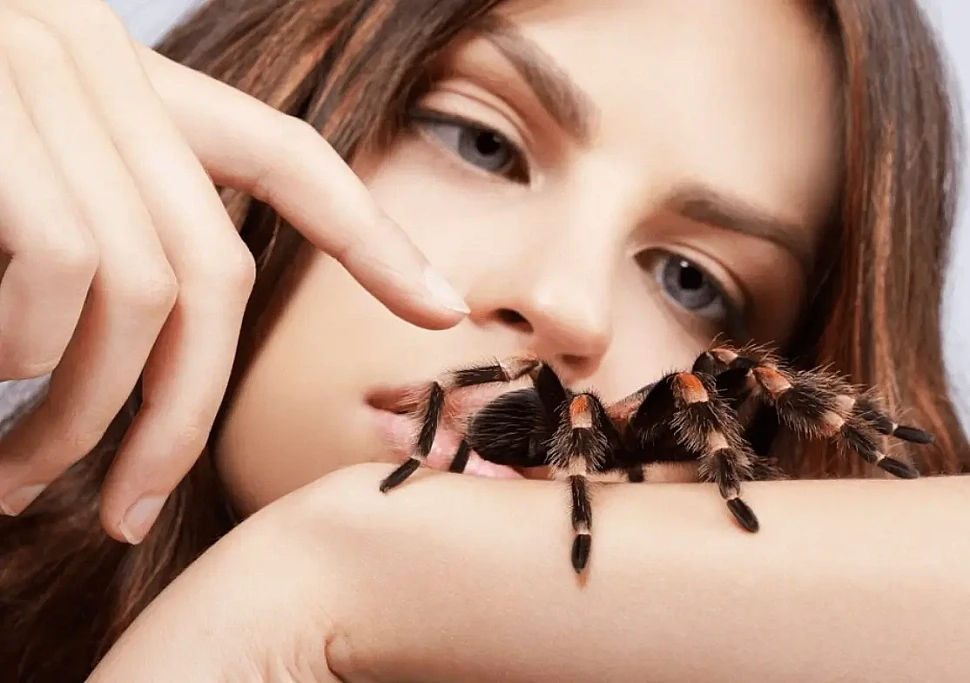
Treatment of arachnophobia usually begins with relaxation techniques, after which the patient gradually learns to confront the object of his fear, until he can not only observe the spiders, but may even stroke one of them.
Ways to treat spider phobia
The traditional treatment for arachnophobia is fear-management therapy. Doctors treat people specifically for situations in which spider phobia occurs and use a variety of relaxation techniques to reduce underlying stimuli without causing panic attacks. High tech helps fight phobias with virtual reality. For example, doctors can better control people’s behavior and treat fears more effectively. In some countries, special phone apps to help combat arachnophobia are common.
Sometimes, people are encouraged to relate directly to their fear objects, from eye contact to touching spiders. This transition should be gradual and under the control of the doctor at all times. Hypnotherapy also works well. Drugs (tranquilizers, antidepressants, nootropes) are rarely used to treat fears. Comprehensive therapy is beneficial when phobia is treated with several techniques.
Doctors' tips for the control and prevention of arachnophobia
Do not scare children with spiders
Children are very sensitive and susceptible to fear. Therefore, you should not intimidate them with spiders: tell terrible stories, make fun of using toys or threaten them. Experts believe that child psychological injuries are one of the most common reasons for the development of phobias. In adulthood, people realize they have nothing to fear, but childhood memories make it harder to fight fears.
Don't watch horror movies
Looking at the victims of huge monster spiders from fantasy horror films, a person is unlikely to get rid of arachnophobia. On the contrary, it will only strengthen and may even appear in those who have never been afraid of spiders.
Be alone with nature
Modern humans are increasingly moving away from nature, hiding in "concrete jungles". Lack of knowledge and lack of communication with nature also give rise to various fears. To get rid of or prevent the phobia of spiders, it is useful to know more about the spiders themselves: how and where do they live? what do they eat? what abilities do they have, and what benefits can they bring? You need to get out more often for picnics, go to the forest or walk along the lake in the park to be closer to nature and better understand it. You can watch the spiders in their native element and make sure that most of them do not carry a serious danger to humans.
Think logically
Sometimes logical thinking and knowledge of facts can help prevent phobia from developing. For example, most spiders in Europe are harmless to humans. Unsightly "jaws" of animals are not strong enough to bite human skin and are designed to kill insects.
Connect creativity
Putting fears on paper is a long-established method of psychology. It is especially effective when working with children. They can be asked to draw a spider in a funny guise or make it out of the means available. Using a computer, you can take interesting photos that will help you to look at fears differently. One American woman, who had been arachnophobic since childhood, took pictures with spiders at the zoo, and then decided to have a tarantula at home. Now she has a photo shoot with him for healing purposes for those who want to get rid of the phobia of spiders. Some people coped with their fears by making amulets or tattoos with images of spiders. They believed that this way would protect them.

4. VRSPi: towards a neuroadaptive VR exposure therapy system for spider phobia