
Fear of the Dark: What Causes It?
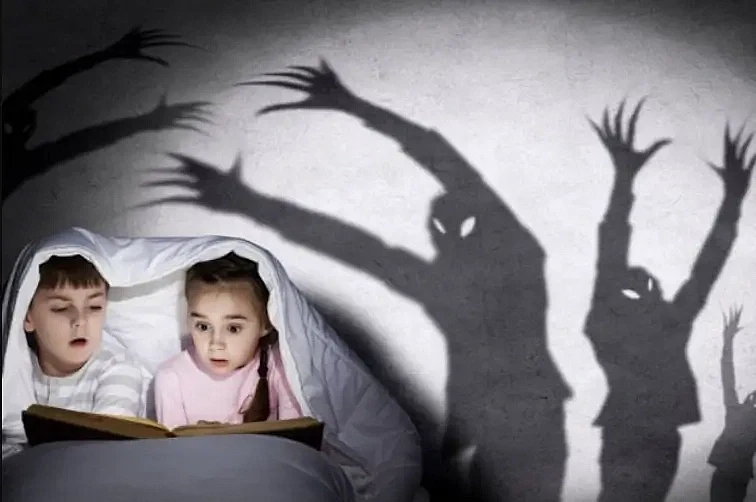
Phobia is an obsessive fear that seriously affects a person's quality of life and leads to nerve disorders and breakdowns. There are no people who are not afraid of anyone and nothing. All living things, including humans, have an instinct for self-preservation.
It prevents the commission of unreasonable actions, such as sticking fingers into an electrical outlet or riding on the roof of a train. But in especially severe cases, fear is constant, even in the absence of frightening objects or situations nearby. He then becomes a phobia.
The influence of phobias on human life
A person with phobia is aggravated by the fact that it does not disappear even when he is not in contact with a source of danger. When direct contact with him, such unpleasant symptoms as a rapid heartbeat, increased sweating, abdominal pain occur.
Most often, phobias result from childhood trauma. For example, fear of heights develops after a failed jump, and fear of dogs after being bitten by them. They may also occur in indecisive people who have been cared for too much by their families.
Today, there are many varieties of obsessive fears, including social phobia (fear of people), claustrophobia (confined space), skoletsiphobia (insects), and autophobia (loneliness).
It is impossible to get rid of phobias simply by self-suggestion or taking sedatives. Treatment requires the assistance of a qualified psychotherapist.
The phobia of darkness:
causes, symptoms, treatment
Among the most common conditions in modern people there is a fear of the dark (nictophobia). According to scientists, it affects about 10% of the world's population - both children and adults. As a child, it seems natural to be afraid of the dark, as a young child wants parents to be there to protect him. As people age, the phobia of darkness disappears, but some people live with it for life.
It is believed that the negative emotions associated with the night lie in the genetic memory of humanity. It is during this time of day that there are many dangers - the attack of wild beasts, hostile tribes, and later serious crimes such as murder or robbery. For young children, monsters from books or movies often seem to live under the bed.
If the phobia of darkness does not resolve with age, it becomes an obsession. Among the main reasons for its development can also be found the following:
genetic. Anxiety in parents often leads to fears and disorders in children;
vision problems. Some people are terrified that they are losing control of the situation in the dark. This is especially true for those who suffer from so-called "night blindness", a visual disorder characterized by an inability to see in the dark;
too rich an imagination. The psyche of the modern man is more exposed than that of his ancestors decades or centuries ago. Viewing negative news or horror movies can lead to a desire to fall asleep with the light on;
stress situations. They affect all aspects of human life. Conflicts within the family or at work contribute to problems with sleep and the development of a phobia of darkness;
fear of death. Whether a person is afraid of dying in their sleep or is haunted by intrusive thoughts, this condition also requires psychological correction. If it is eliminated, the patient will no longer be afraid of the dark hours of the day.
Adults who are afraid of the dark do not just fall asleep with the light on. They also experience unpleasant symptoms such as rapid pulse, changes in blood pressure, headache, and muscle weakness. People with this mental disorder should see a therapist and be treated.
Gradual dimming of light, listening to audiobooks at bedtime, or being physically active can help people cope.
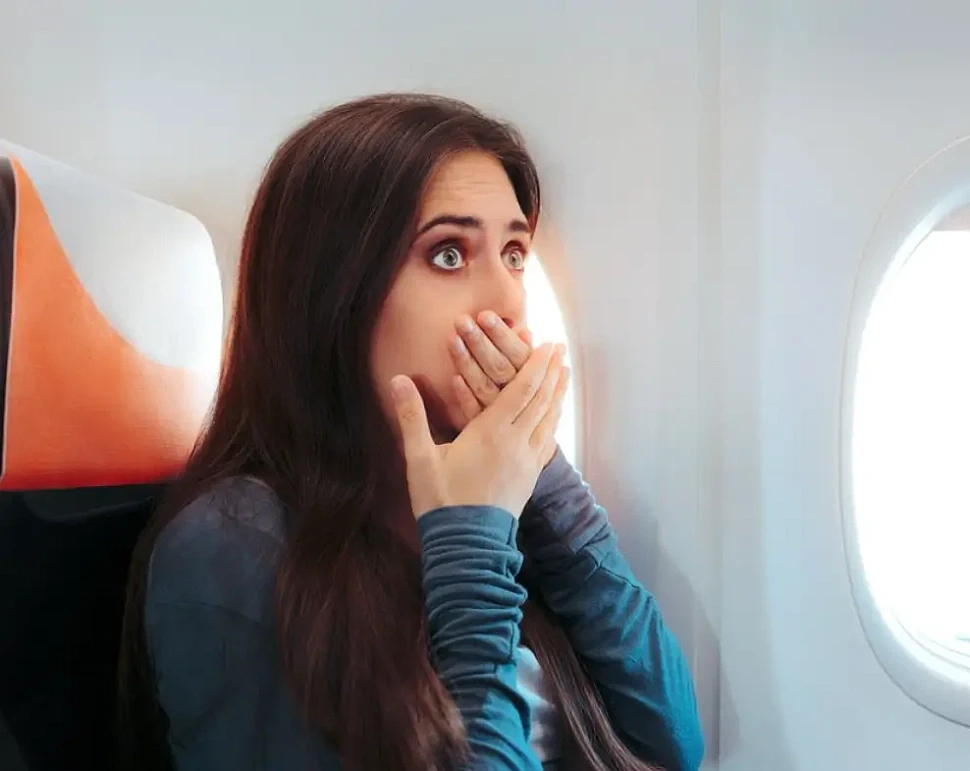
Protection of the psyche from the impact of phobias
People suffering from intrusive fears note the adverse impact that not only the psyche, but also the somatic. Encountering an object or situation that is frightening or triggers unhealthy reactions. This situation is difficult for the patient and his environment. So he often asks, "How not to be afraid?"
When a person feels that phobia is poisoning their life, the first thing to do is to acknowledge the problem. There is no shame in this state, because everyone is afraid of something - the death of loved ones, adverse economic situation, car accident or dark time of day. But fear of the above may not affect quality of life.
If fear has a rational basis, measures must be taken to prevent a truly dangerous situation. For example, get tested and treated if serious illness occurs. Or carry the bag in such a way that potential pocket thieves did not have access to it, and install a burglar alarm in the apartment.
If fear is based on trauma or something irrational, then you should definitely contact a specialist. There are many ways to defeat it. The most common are
desensitization is a type of therapy that involves various techniques that make it possible to understand the irrationality of fear. There are separate programs for children and adults;
modeling is a technique that helps a patient model behavior in the presence of a phobic object. The therapist’s task is to adjust the patient’s behavior so that he no longer fears the object;
drug treatment - the use of strong drugs only on the prescription of a doctor;
hypnosis is a widely used method of psychotherapy that allows to identify the cause of the patient's obsessive fear and rethink it. During hypnosis, memory refreshes, and the injury gradually heals.
The most important thing for a patient is not to be afraid to see a psychotherapist. In settings where self-suggestion or sedatives do not work, competent psychotherapy is the best treatment.
A deficiency of endocrine hormones can contribute to the onset or intensification of anxiety states, which sometimes manifest as phobias.

1. Phobias and their management