
Genital Psoriasis in Women: Symptoms and Treatment
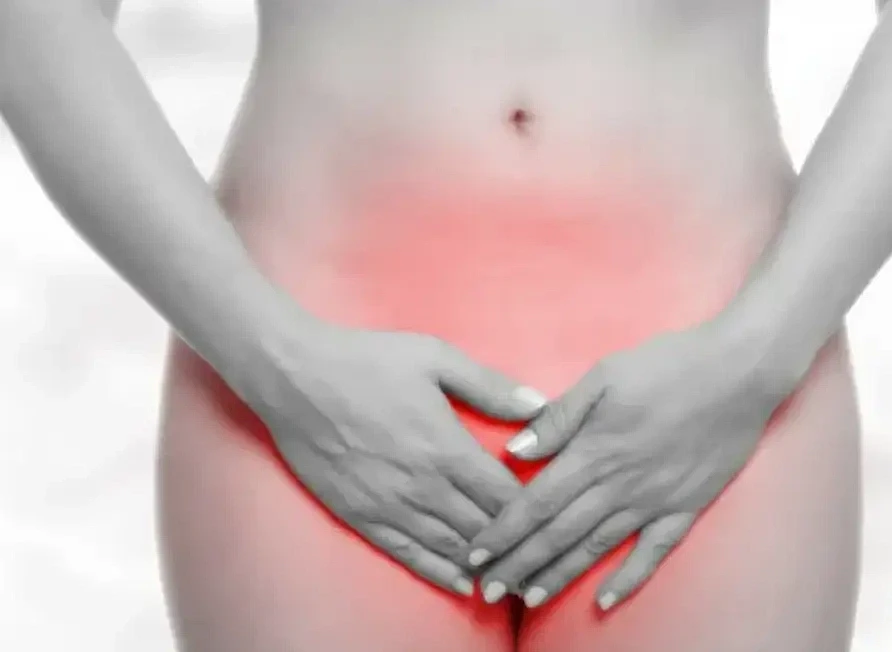
Intimate zone psoriasis in women is a chronic autoimmune skin disorder in which characteristic red, inflamed areas appear on the labia, pubic area, inguinal folds, or around the anus.
It's important to calm it down: it's not contagious.
How it manifests itself
Most often, the eruption occurs on the labia majora, and less often on the labia minora. Sometimes the process covers other areas: forehead, inguinal folds, perineum.
Typical features include
Redness and swelling of the skin.
Peeling.
But in the intimate zone, it is often not as pronounced as on the elbows or head. Instead of silver scales, thin whitish patches may appear. In the depth of the folds due to humidity and friction, peeling may not be present at all.
Itching is the most common symptom (occurring in 82 to 100% of patients).
Burning, painful walking, intimacy, or hygiene.
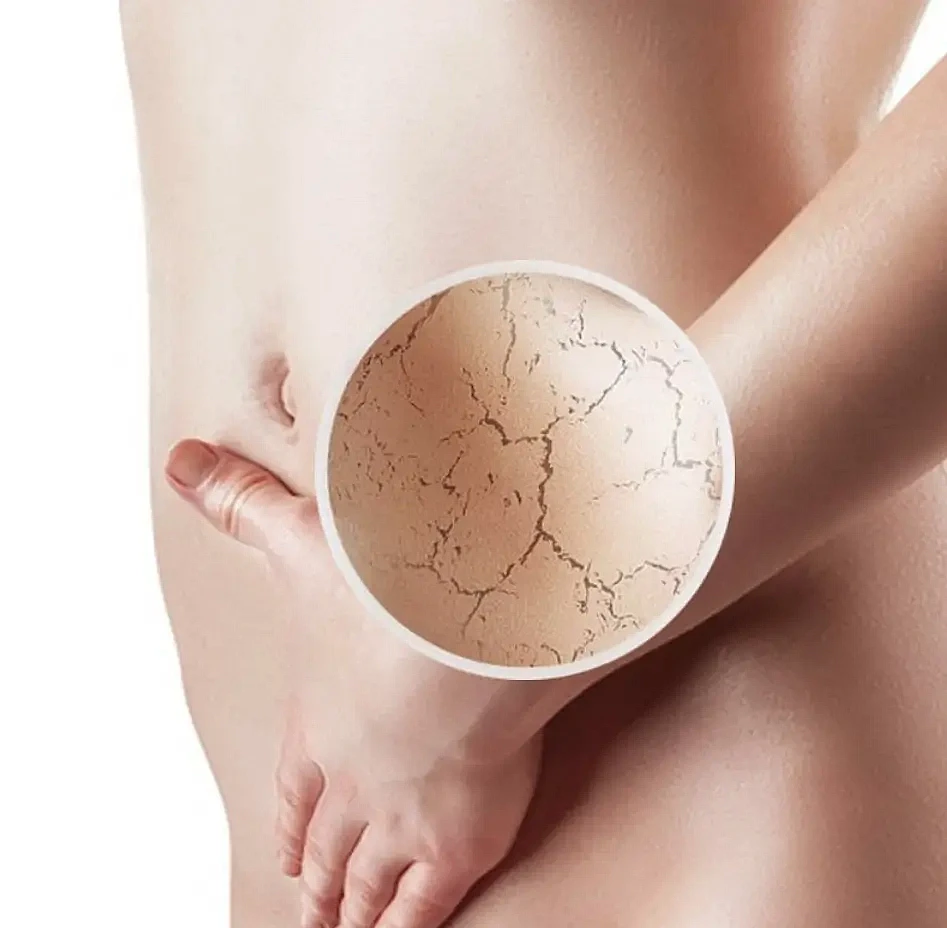
Cracks in the folds of the skin.
Why is this happening?
The exact cause of psoriasis is not known, but a number of factors contribute:
A genetic predisposition (if close relatives have psoriasis)
Autoimmune disorders—The immune system mistakenly attacks the skin’s own cells.
Hormonal changes (pregnancy, menopause, puberty).
Stress, fatigue.
Genitourinary infections.
Mechanical irritation (rubbing of tight or synthetic underwear).
Certain drugs (beta-blockers, NSAIDs, antidepressants)
Harmful habits (smoking, alcohol abuse).
What's dangerous
In addition to physical discomfort, this localization often severely hits a psycho-emotional state: embarrassment occurs, self-esteem decreases, sexual disorders can appear. Another serious danger: due to increased humidity and friction in the folds, the skin is easily traumatized, which creates a "gate" for joining a fungal or bacterial infection.
What to do: diagnosis and treatment
If you have symptoms, you need to contact a dermatologist, and if necessary, he will involve a gynecologist. The doctor will perform an examination, if necessary, do a dermatoscopy, take swabs to exclude other causes (candidiasis, dermatitis, STI). Skin biopsy may be required in complex cases.
Treatment is always individually tailored and aimed at relieving inflammation, itching and restoring the protective barrier of the skin.
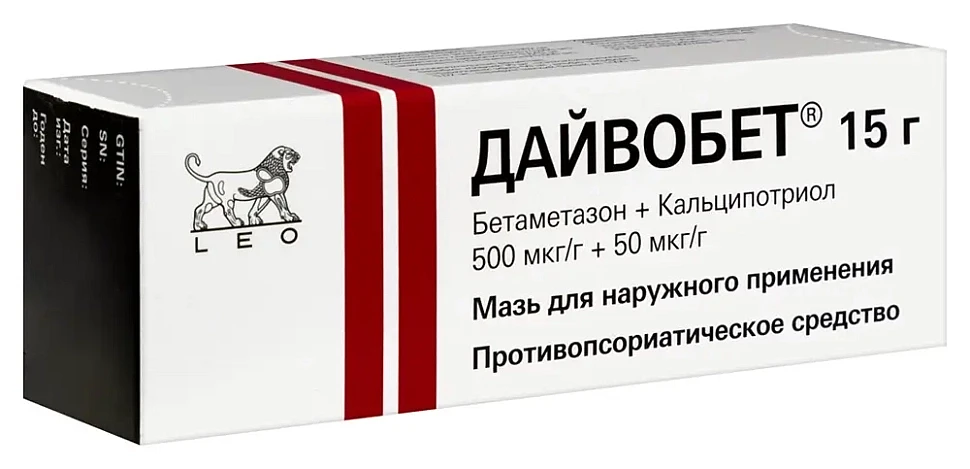
Local therapy. Hormonal ointments (mometasone, fluocinolone) can rapidly relieve inflammation but should not be used for long because of the risk of skin atrophy and decreased local immunity. They are often combined with nonhormonal drugs (drugs with vitamin D3, zinc supplements, and panthenol for healing). Topical calcineurin inhibitors (tacrolimus, pimecrolimus) may also be given and are effective specifically for sensitive areas.
Systemic therapy.
For severe forms, immunomodulators, methotrexate, cyclosporine, or biologic drugs (adalimumab, ustekinumab) may be used.
Additional methods. Sometimes phototherapy (UVB, PUVA), laser therapy, ozone therapy, or magnetotherapy
- Important care recommendations:
- Avoid irritating products - gels with fragrances, rough toilet paper.
- Keep the intimate area clean and dry.
- Choose loose linen from soft natural fabrics
What should not be done
Do not try to make a diagnosis yourself and do not start treatment without a doctor. The symptoms of psoriasis are easily confused with fungal infection, bacterial involvement, or other dermatoses. Inappropriate drugs may worsen inflammation and lead to complications.
If you notice such symptoms - do not postpone your visit to a specialist. The sooner the right therapy is started, the faster it will be possible to take control of the process and reduce discomfort.
1. How Hormonal Balance Changes Lives in Women with Psoriasis
2. Underdiagnosed and undertreated psoriasis: Nuances of treating psoriasis affecting the scalp, face, intertriginous areas, genitals, hands, feet, and nails
3. Sex-related impairment and patient needs/benefits in anogenital psoriasis: Difficult-to-communicate topics and their impact on patient-centred care.