
Psoriasis and Physical Activity: Benefits and Cautions
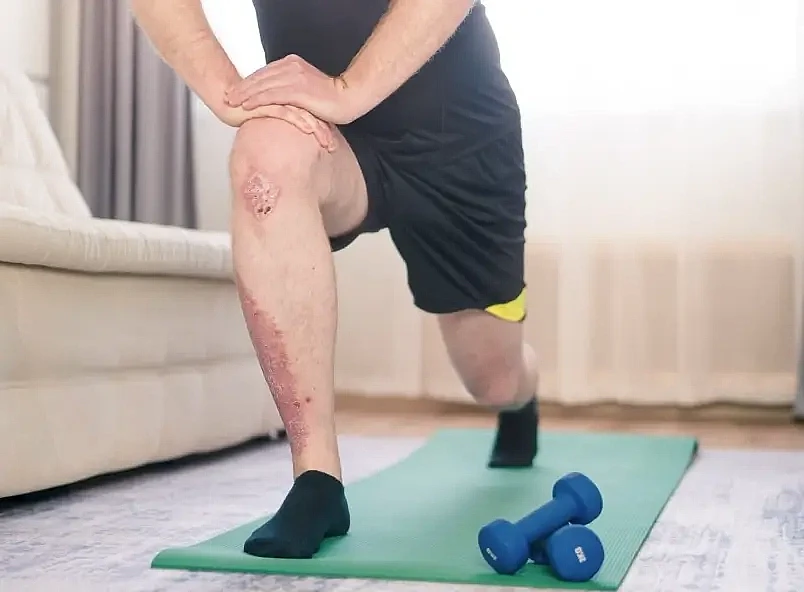
Physical activity is an important part of a healthy lifestyle, and for patients with psoriasis, it can be not just a way to keep fit, but an effective tool for disease management. Regular moderate exertion helps reduce inflammation, improve mood, and strengthen immunity.
However, in psoriasis, it is important to approach training consciously: improperly chosen activity or clothing can cause new plaques. Understanding the balance between benefits and risks helps people exercise comfortably and with skin benefits.
Why is sport useful for psoriasis?
Physical activity has a systemic positive effect on the body, which is especially important in chronic inflammatory disease.
Reduced stress levels. Emotional tension is one of the key triggers of exacerbation. The movement promotes endorphin production, improves sleep, and reduces anxiety.
Improving metabolism. Regular exertion helps control weight, and excess weight is directly related to more severe psoriasis.
Immune balance normalization. Moderate training reduces the levels of proinflammatory cytokines such as TNF-alpha and interleukin-17.
Improving microcirculation.
Better blood supply to the skin promotes its regeneration and reduces scaling.
What activities are suitable?
Not all sports are equally safe for psoriasis. The choice depends on the type of disease, location of plaques, and general health.
Recommended directions:
Swimming. An excellent option: water reduces stress on the joints, and movement strengthens the muscles. However, after a swim, it is important to thoroughly rinse the skin with fresh water and apply a moisturizing cream.
Yoga and Pilates. Improve flexibility, breathing, reduce stress, do not cause severe sweating.
Walking and running. Available and efficient, especially in the morning or evening.
Bicycle. Suitable in the absence of damage to the inguinal area.
Strength training with moderate weights. Strengthen the muscular corset but require caution to avoid friction.
What should be limited:
High-intensity interval training (HIIT) - can cause severe sweating and stress.
Contact sports (football, basketball) - risk of skin injuries.
Heavy lifting and training with dumbbells - if the elbows and knees are affected, it can increase irritation.
What risks should be taken into account?
Although beneficial, physical activity can trigger an exacerbation if precautions are not taken.
Friction and microtrauma (Kebner phenomenon)
If the skin is mechanically damaged, a new plaque may appear in its place.
Dangerous tight clothes, backpack straps, wristbands, friction when running.
Solution: Choose soft, breathable clothes made of cotton or technical fabrics. Avoid wool and synthetics that rub the skin.
Sweating and irritation
Salts in sweat can cause itching, dryness, and irritation, especially in affected areas.
Solution: wash immediately after training with a soft gel, gently wet the skin with a towel and apply a moisturizing cream.
Overheating and dehydration
Intense exertion in the heat can make symptoms worse.
Solution: exercise in the cool time of day, drink enough water, do not overload the body.
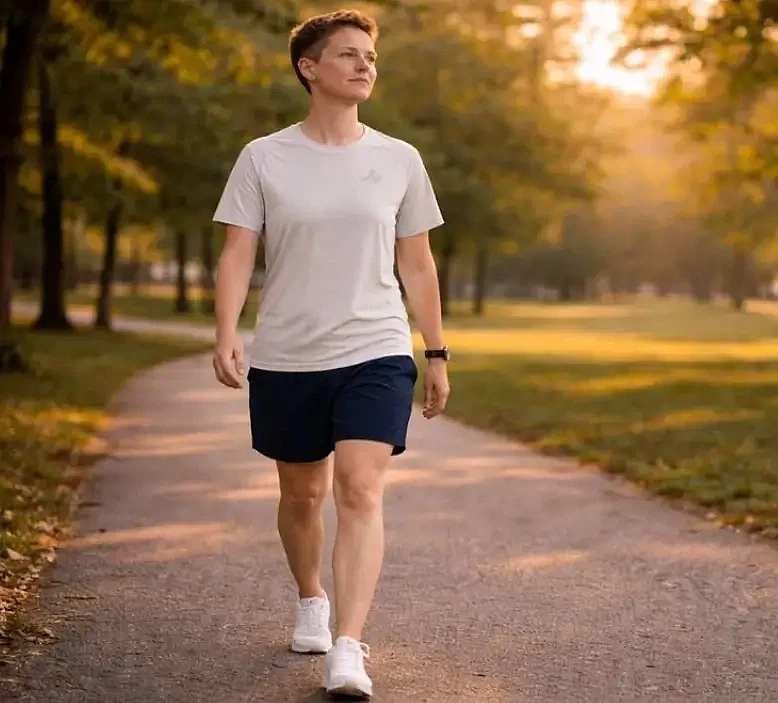
How to adapt training to your condition?
Start with light loads - gradually increase the intensity.
Watch the skin reaction - if itching, redness or new plaques appear after classes, revisit the regime.
Avoid extreme conditions - do not train in extreme heat, cold or wind without protection.
Listen to your body — fatigue, irritability, insomnia — signals that the load is too high.
What should I do if new plaques appear after training?
Don't panic. That doesn't mean giving up sports. New rash signals need to:
Review skin care.
Contact a dermatologist.
It is possible to adjust the training mode.
Psoriasis should not be an obstacle to sports. Instead, physical activity is part of a strategy to control the disease. The main thing here is to be informed, protect the skin and not be afraid to listen to your body. The combination of movement, treatment and self-care allows you not just to survive with psoriasis, but to live with pleasure.

1. What are the barriers to physical activity in patients with chronic plaque psoriasis?
2.The Association Between Physical Activity and the Risk of Incident Psoriasis
3. Physical activity is important for cardiovascular health and cardiorespiratory fitness in patients with psoriasis
4. Association between physical activity and risk of prevalent psoriasis